Overview
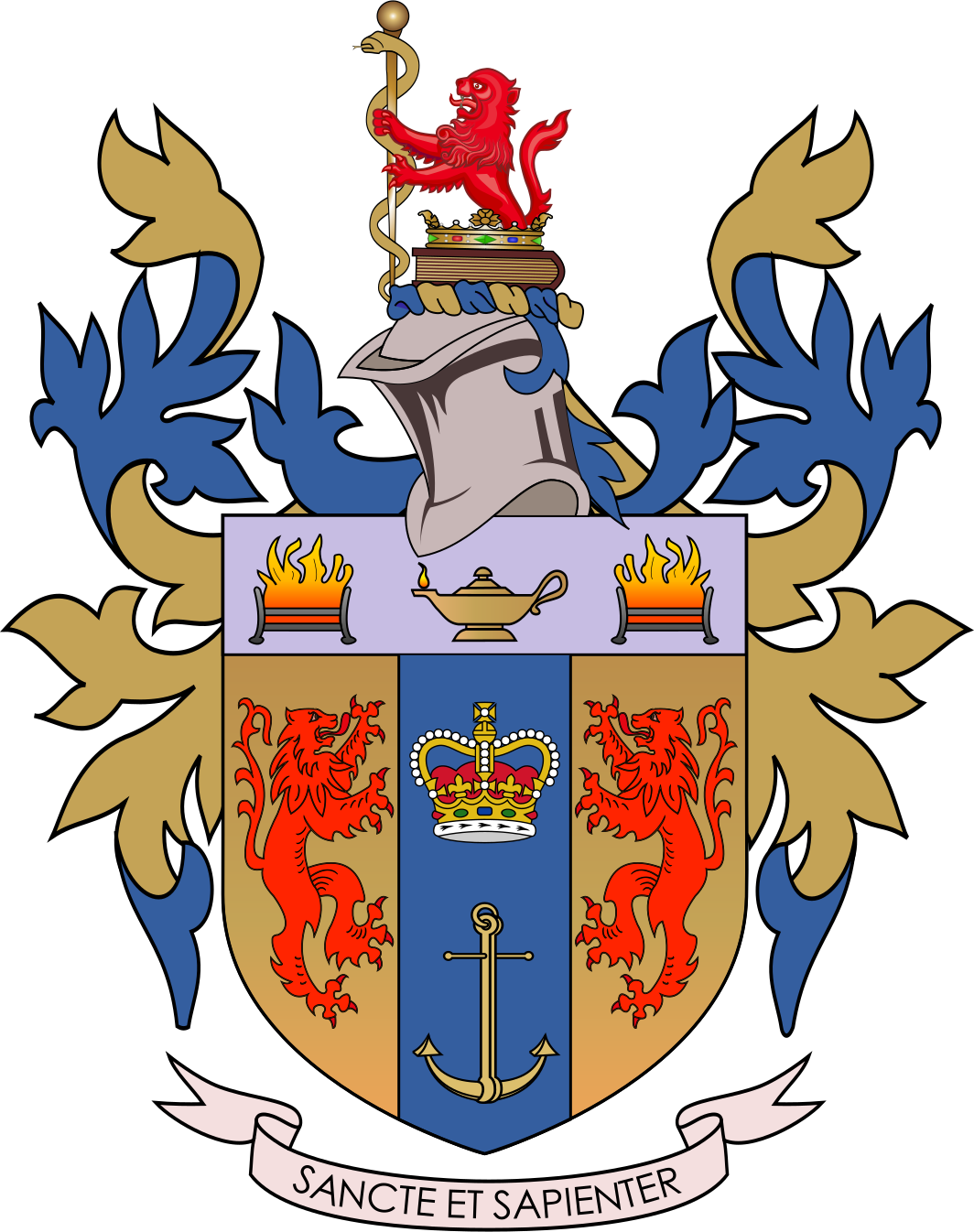
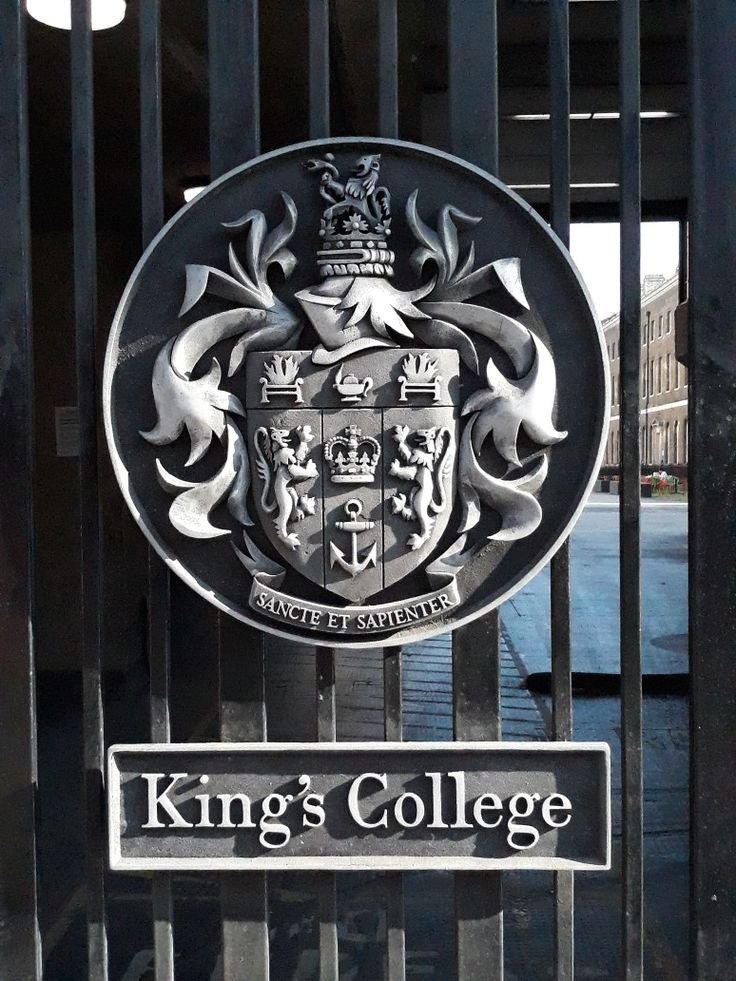
King's College London is England's third oldest university, founded by King George IV and the Duke of Wellington in 1829. It is spread across five campuses in central London and currently has over 41,000 students enrolled. King's College London has played a major role in many of the advances that have shaped modern life, such as the discovery of the structure of DNA, and it is now the largest centre for the education of doctors, dentists and other healthcare professionals in Europe. It is also home to six Medical Research Council centres — the most of any British university — and hosts the largest dental school in Europe and the world's oldest professional nursing school.
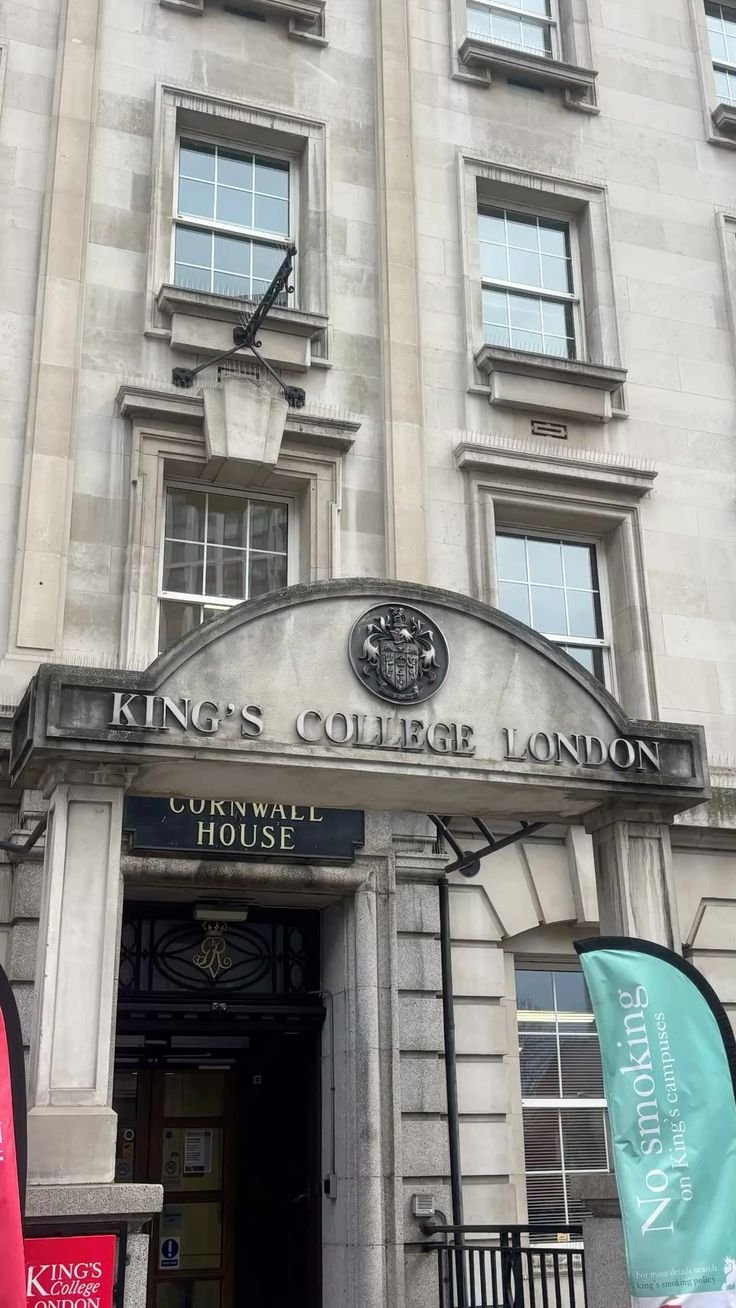
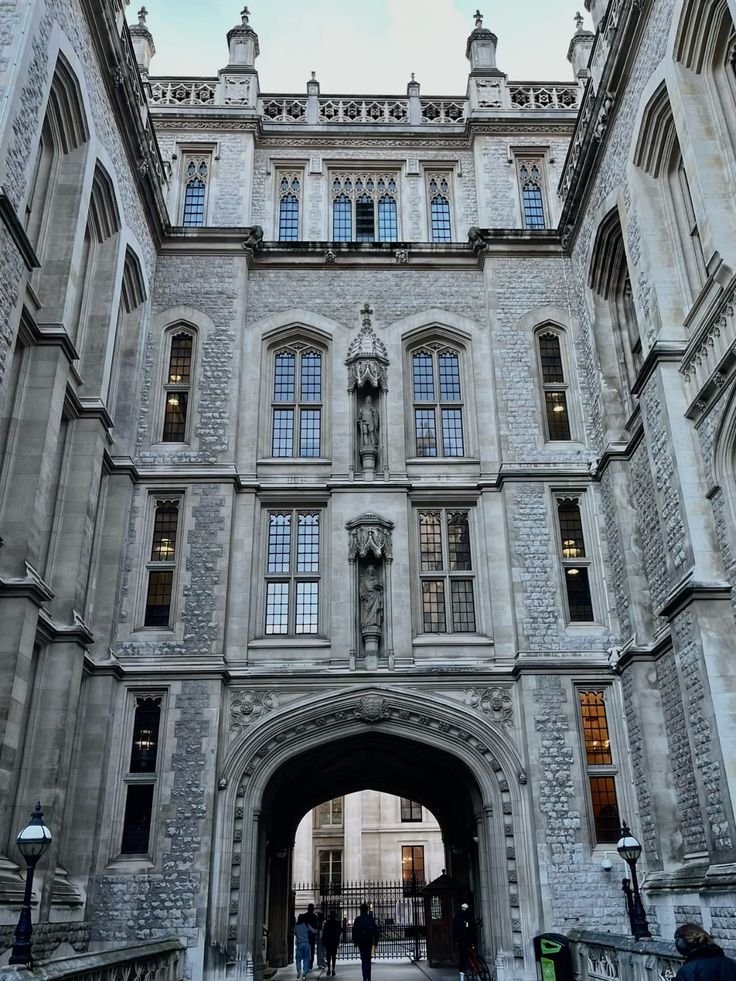
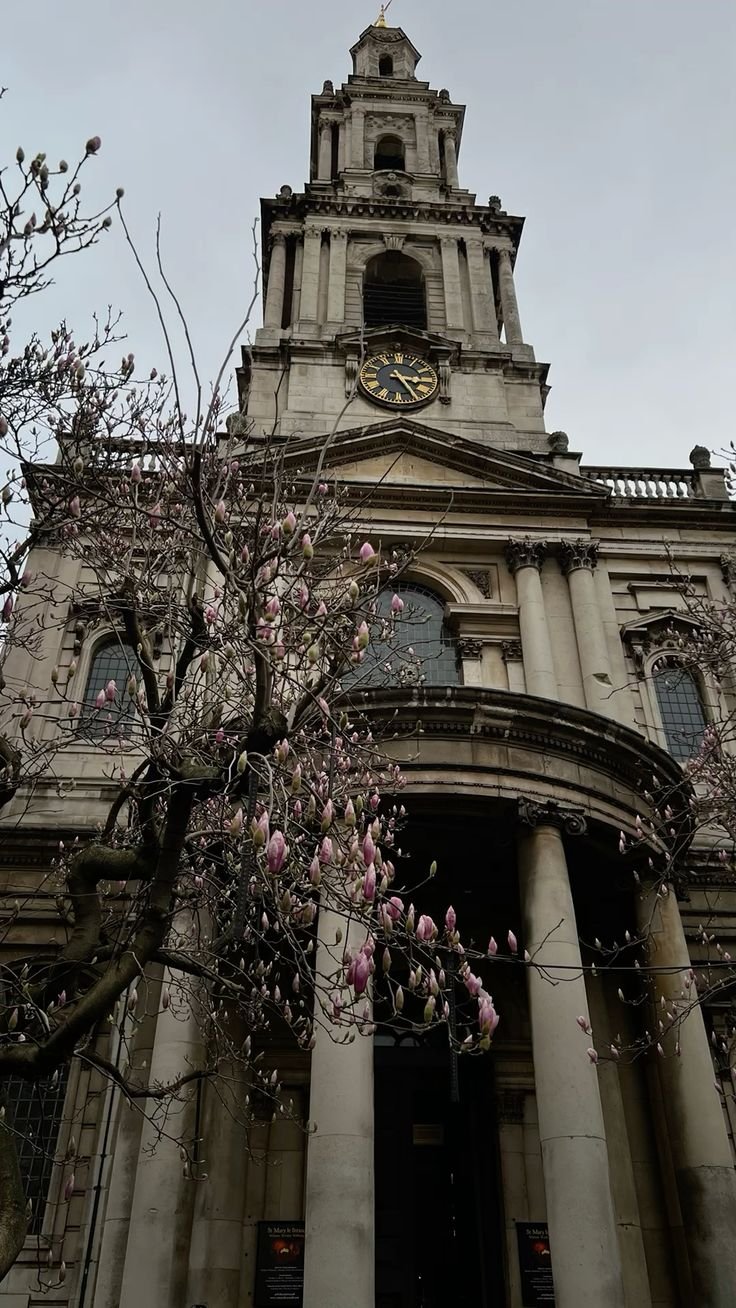
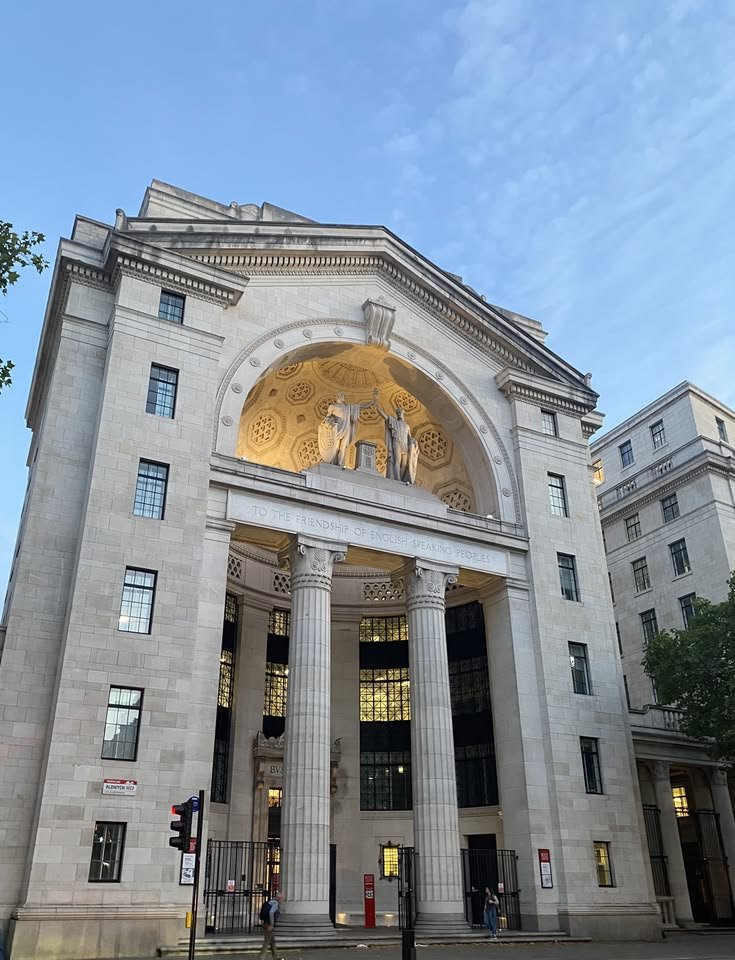
The Strand Campus is the original campus of King's, based around the Grade I listed original King's Building constructed in 1831, adjacent to Somerset House and sharing its frontage along the River Thames. The campus also includes Bush House and the Maughan Library on Chancery Lane. Guy's Campus — near The Shard — houses the Faculty of Life Sciences and Medicine. The St Thomas' Campus, close to the Waterloo Campus, houses medical and dental training alongside a museum devoted to Florence Nightingale. The Denmark Hill Campus houses the Institute of Psychiatry, Psychology, and Neuroscience.
King's College London has produced 14 Nobel laureates, three Oscar winners, heads of state, Booker Prize winners, and Grammy Award recipients. It established the world's first nursing school, has the largest university endowment in London, and is the biggest biomedical research centre in Europe. The King's Business School holds Triple Crown accreditation (AACSB, AMBA, EQUIS), and the university has received a Gold rating for student outcomes and employability. KCL is regarded as part of the prestigious "Golden Triangle" of universities located in and around Oxford, London, and Cambridge.
King's is a key member of both the prestigious Russell Group and the Association of Commonwealth Universities. Among its notable alumni are Florence Nightingale (founder of modern nursing — enrolled 1860), Archbishop Desmond Tutu, Virginia Woolf (attended), Arthur C. Clarke (physicist and science fiction author), John Keats (attended Guy's Hospital medical school — poet), and former Prime Ministers of the UK. The college chaplaincy and Choir of King's College London maintain a distinguished musical tradition since the university's 1829 founding under the Church of England.
| ~13% Acceptance Rate | 42,000+ Total Students | 160+ Countries Represented | Founded 1829 — England's Third Oldest University |
Ranking
Among global university rankings, King's is ranked 31st by the 2026 QS World University Rankings, 38th equal by the 2026 Times Higher Education World University Rankings, 36th equal by the 2024 US News & World Report Best Global Universities Rankings, and 53rd by the 2024 Academic Ranking of World Universities (ARWU).
In the QS subject rankings, KCL ranking is #2 globally for Nursing, #4 globally for Dentistry, and #11 globally for Medicine and Life Sciences. In the Guardian Subject Rankings 2025, KCL ranks #1 for Sociology and Social Policy, #5 for International Relations, and #6 for Politics. KCL is ranked #6 in the UK for graduate employability in the Times Higher Education's Global Employability University Rankings 2025.
According to the 2025 Complete University Guide, 16 subjects offered by King's rank within the top 10 nationally, including Health Studies (1st), Social Policy (2nd), Business & Management Studies (3rd), Anthropology (4th), Law (5th), Music (6th), Economics (8th), Politics (8th), Dentistry (9th), and Computer Science (10th). The Teaching Excellence Framework (2023) gave King's a Gold rating for student outcomes.
| Ranking Body | Rank |
|---|---|
| QS World University Rankings 2026 | #31 Globally / #5 in UK |
| Times Higher Education (THE) 2026 | #38 Globally / Top 10 in UK |
| US News Best Global Universities 2024–25 | #36 Globally |
| ARWU (Shanghai) 2024 | #53 Globally |
| THE Global Employability Rankings 2025 | #6 in UK |
| Teaching Excellence Framework (TEF) 2023 | Gold Rating (Student Outcomes) |
| QS — Nursing 2026 | #2 Globally |
| QS — Dentistry 2026 | #4 Globally |
| QS — Medicine & Life Sciences 2026 | #11 Globally |
| QS — Law 2026 | #16 Globally |
| QS — Communication & Media Studies 2026 | #19 Globally |
| Complete University Guide 2025 — Health Studies | #1 in UK |
| Complete University Guide 2025 — Social Policy | #2 in UK |
| Complete University Guide 2025 — Law | #5 in UK |
| Nobel Prize Laureates (alumni & staff) | 14 total |
Intakes
King's College London follows the UK academic calendar with a single primary annual intake:
- September/October Intake — Primary and only intake for all undergraduate and most postgraduate programs
Application Deadlines (Indicative for 2026–27):
| Level | Application Deadline | Platform |
|---|---|---|
| Undergraduate (all students) | January 29, 2026 (UCAS deadline) | Via UCAS |
| Medicine / Dentistry (UCAT required) | October 15, 2025 (UCAS medical deadline) | Via UCAS |
| Postgraduate Taught (MSc / LLM / MBA) | Rolling from October — varies by program | King's online application portal |
| Postgraduate Research (MPhil / PhD) | Rolling throughout year | King's Graduate Admissions portal |
Note: International students from outside the UK require a UK Student Visa (previously Tier 4). A deposit of £2,000 is required for most international undergraduate and many postgraduate programs upon accepting an offer. Apply early — popular programs fill well before final deadlines. Verify at kcl.ac.uk/study.
Top Courses
King's College London comprises nine faculties with approximately 40,000 students. It offers 27 online courses, alongside 180 undergraduate and approximately 300 postgraduate taught programs spanning engineering, psychology, medicine, humanities, social sciences, and finance and law.
Key faculties and flagship programs include:
Faculty of Life Sciences & Medicine (Guy's Campus — Largest European biomedical centre):
- MBBS in Medicine and Surgery (5-year single cycle — highly competitive)
- BSc in Biomedical Science, Biochemistry, Pharmacology, Neuroscience
- MSc in Precision Cancer Medicine, MSc in Global Health
- MSc in Pharmaceutical Science, MSc in Medical Engineering
Florence Nightingale Faculty of Nursing & Midwifery (Waterloo Campus — World's First Nursing School — #2 globally):
- BSc in Nursing, BSc in Midwifery
- MSc in Nursing, MSc in Nursing Education
- PhD in Nursing and Health Sciences
Faculty of Dentistry, Oral & Craniofacial Sciences (Guy's Campus — Largest Dental School in Europe — #4 globally):
- BDS in Dentistry (5-year single cycle)
- MSc / PhD in Dental Sciences
Institute of Psychiatry, Psychology & Neuroscience (Denmark Hill Campus):
- BSc / MSc in Psychology, Neuroscience, Forensic Mental Health
- MSc in Mental Health Studies, MSc in Cognitive Neuroscience
- International reputation for mental health and neuroscience research
The Dickson Poon School of Law (Strand Campus — #5 UK, #16 globally):
- LLB in Law (3 years), LLB in English Law with French/German/Spanish Law (4 years)
- LLM in Law (general and specialist — Competition Law, International Human Rights Law, Medical Law)
- MSc in International Political Economy (joint with Social Science)
King's Business School (Triple Crown — AACSB + AMBA + EQUIS):
- BSc in Business Management, BSc in Business Information Systems
- MBA (Triple Crown accredited)
- MSc in Finance, MSc in International Management, MSc in Marketing
- MSc in Digital Finance, MSc in Banking and Finance, MSc in Data Science
Faculty of Arts & Humanities (Strand Campus):
- BA in English, History, Classics, Philosophy, Music, War Studies, French, Spanish, German
- MA / PhD in War Studies (internationally renowned — one of the world's best)
- MA in History, MA in Digital Humanities
Faculty of Social Science & Public Policy (Strand Campus):
- BSc in Politics, International Relations, Geography, European Studies
- MSc in Public Policy, MSc in International Relations, MSc in Global Affairs
- MA in European Studies, MSc in Health Policy
Faculty of Natural, Mathematical & Engineering Sciences (Strand Campus):
- BSc in Computer Science, Mathematics, Physics, Chemistry
- MSc in Artificial Intelligence, MSc in Computer Science
- MEng in Electronic Engineering
Cost of Studying at King's College London
KCL's undergraduate tuition fee for international students varies from £27,100 to £35,800 per year. International students are required to pay a deposit of £2,000 against their first-year tuition fees. The international tuition fee is subject to an annual increase in years of study.
For international students, undergraduate tuition fees typically range from £24,000 to £40,000 per year. Postgraduate programmes cost between £19,000 and £38,000. KCL estimates visa and related fees at around £12,006 per year, while typical living costs in London amount to approximately £20,808 annually.
| Type of Expense | Annual Cost (GBP) | Annual Cost (INR Approx.) |
|---|---|---|
| Tuition Fees — BSc / BA (Overseas) | £27,100 – £35,800/year | ₹29,01,000 – ₹38,33,000 |
| Tuition Fees — MBBS Medicine / BDS Dentistry (Overseas) | £38,000 – £50,000/year | ₹40,68,000 – ₹53,53,000 |
| Tuition Fees — MSc / LLM (Overseas) | £19,000 – £40,000/year | ₹20,34,000 – ₹42,82,000 |
| Tuition Fees — MBA / King's Business School (Overseas) | £35,000 – £50,000/year | ₹37,48,000 – ₹53,53,000 |
| Tuition Fees — MPhil / PhD (Overseas) | £18,000 – £28,000/year | ₹19,27,000 – ₹29,97,000 |
| Application Deposit (on acceptance) | £2,000 (most international programs) | ₹2,14,000 |
| NHS Health Surcharge (international) | £776/year | ₹83,100/year |
| On-Campus Accommodation (KCL Halls) | £6,000 – £14,000/year (£165–£320/week) | ₹6,42,000 – ₹14,98,000 |
| Food & Personal Expenses | £5,000 – £8,000/year | ₹5,35,000 – ₹8,56,000 |
| Transport (London TfL — Oyster card) | £1,500 – £2,500/year | ₹1,61,000 – ₹2,68,000 |
| Total Estimated Annual Cost | £35,000 – £58,000 | ₹37,48,000 – ₹62,09,000 |
Note: London is one of the world's most expensive cities. KCL guarantees first-year undergraduate students accommodation. Fees increase annually. Verify at kcl.ac.uk/study/fees-and-funding.
Scholarships
King's College London offers scholarships for undergraduate and postgraduate students. Postgraduate scholarships at KCL can cover up to 50% of the tuition fees and offer other academic assistance. Each year, KCL offers up to 83 bursaries of £9,000 to first-year students. Scholarships of up to £100,000 GBP are offered, and up to 10 students beginning a King's International Foundation Programme are awarded €2,000 each year.
Key scholarships for international students:
| Scholarship | Type | Value |
|---|---|---|
| King's International Scholarship (UG) | Merit-based (first-year international UG) | £9,000/year — up to 83 bursaries annually |
| King's Business School Scholarship (MSc) | Merit-based | Up to 50% tuition fee reduction for outstanding PG students |
| King's Law Scholarship | Merit-based | Partial tuition reduction for outstanding international LLM students |
| Chevening Scholarship (UK Government) | Merit + leadership | Full tuition + living stipend + return airfare (1-year Masters) |
| Commonwealth Shared Scholarship | Commonwealth government | Full tuition + living allowance + return airfare (1-year taught Masters) |
| GREAT Scholarships (British Council — India) | Bilateral (India-UK) | £10,000 minimum toward PG tuition for Indian students |
| King's International Foundation Award | Foundation program | €2,000 per year for up to 10 KIF students |
| King's PhD Studentships / Research Fellowships | Research excellence | Full tuition + living stipend for exceptional doctoral candidates |
Admissions
King's College London has an acceptance rate of approximately 13%, reflecting its highly competitive admissions. Most applicants must provide strong academic grades — generally equivalent to a GPA of 3.3 or higher — proof of English language proficiency such as IELTS 7.0+ or TOEFL iBT 100+, a personal statement, and an academic reference. Law applicants must take the LNAT, while Medicine and Dentistry candidates sit the UCAT.
For Undergraduate Programs (BSc / BA / LLB / MBBS — 3 to 6 years):
- A-Level: Typically AAA to ABB depending on program
- IB: 35–38 points for competitive programs
- Indian students (CBSE/ISC Class 12): 85–90%+ for most programs; 90–95%+ for Medicine, Law, Computer Science
- IELTS 6.5–7.5 (no band below 6.0) / TOEFL iBT 92–109 (varies by program)
- UCAS application with personal statement and academic reference
- LNAT required for Law; UCAT required for Medicine and Dentistry
- Portfolio or audition required for Music
For Postgraduate Programs (MSc / LLM / MBA):
- Bachelor's degree with minimum 2:2 Hons equivalent (competitive programs require 2:1 or First — 65–75%+)
- IELTS 7.0 (no band below 6.5) / TOEFL iBT 100 for most programs
- GMAT/GRE for MBA and some business/analytics programs
- Personal Statement, CV, 2 Academic References, certified transcripts
For PhD Programs:
- Master's degree with strong research record
- Research proposal and supervisor agreement
- IELTS 7.0 / TOEFL iBT 100+
Placements
KCL is ranked #6 in the UK for graduate employability in the Times Higher Education's Global Employability University Rankings 2025. 93.2% of King's Business School graduates are in graduate roles or postgraduate study 6 months after graduation. The average starting salary for graduates of King's Business School is £26,500 per year. Additionally, 90.87% of King's graduates (non-business) are in highly skilled employment (HESA, 2024–25).
IBM, Vodafone, McKinsey, Accenture, Bank of America, Goldman Sachs, and other reputable companies employ KCL students. The average remuneration offered is £50,000 GBP. The highest package is offered to executive masters, with a salary of £81,000 GBP. The placement rate of the college is more than 90% by the Graduate Outcomes Survey, and 87% of graduate students have been successful in their career.
King's was recognised by the High Fliers' Graduate Market Report 2024 as one of the top universities targeted by leading UK employers. This was reaffirmed by the Teaching Excellence Framework (2023), which gave King's a Gold rating for student outcomes.
King's five central London campuses — from the Strand and Waterloo to Guy's Hospital near The Shard — give students direct access to some of the world's most prestigious employers across law, banking, healthcare, government, and technology.
Key career sectors for KCL graduates:
- Law — Magic Circle firms (Clifford Chance, Linklaters, Freshfields), top US firms (London offices), international courts
- Finance & Banking — Goldman Sachs, Bank of America, Barclays, HSBC, J.P. Morgan, Citi
- Medicine & Healthcare — Guy's and St Thomas' NHS Foundation Trust (directly affiliated), King's College Hospital, global pharmaceutical companies
- Consulting — McKinsey, BCG, Deloitte, Accenture, IBM
- Government & Policy — UK Government, Houses of Parliament, European Commission, NATO, UN
- Technology — IBM, Vodafone, Microsoft, Amazon, Google (London offices)
Jobs After Graduating from King's College London
| Job Profile | Average Annual Salary (GBP) | INR Approx./Year |
|---|---|---|
| Investment Banker / Financial Analyst | £55,000 – £110,000 | ₹58,89,000 – ₹1,17,79,000 |
| Lawyer / Solicitor (Magic Circle) | £50,000 – £120,000 | ₹53,53,000 – ₹1,28,46,000 |
| Medical Doctor / Hospital Specialist | £45,000 – £120,000 | ₹48,18,000 – ₹1,28,46,000 |
| Management Consultant | £45,000 – £90,000 | ₹48,18,000 – ₹96,37,000 |
| Nurse / Nursing Specialist | £30,000 – £55,000 | ₹32,12,000 – ₹58,89,000 |
| AI / Software Engineer | £45,000 – £85,000 | ₹48,18,000 – ₹91,00,000 |
| Executive MBA Graduate | £81,000 (average highest package) | ₹86,71,000 |
| KCL Business School Graduate (avg. starting) | £26,500 – £50,000 | ₹28,37,000 – ₹53,53,000 |
| War Studies / Policy Analyst | £35,000 – £65,000 | ₹37,48,000 – ₹69,59,000 |
| Dentist / Dental Specialist | £40,000 – £80,000 | ₹42,82,000 – ₹85,64,000 |
Note: Salary figures are indicative annual gross values in GBP. Actual salaries vary by program, employer, and experience. International graduates may apply for the UK Graduate Route visa, allowing 2 years of post-study work (3 years for PhD graduates).
For personalised guidance on King's College London admissions, scholarships, and the UK student visa process, connect with the experts at Polygon Campus today.