
Overview
The University of Oxford is the oldest university in the English-speaking world and one of the most prestigious higher education institutions globally. While no official founding date exists, the university emerged in the 12th century — with teaching established as early as 1096. Its collegiate system, tutorial-based teaching method, and centuries of world-changing scholarship place it in a class of its own among global universities. Oxford does not have a main campus; its buildings and facilities are scattered throughout the historic city of Oxford, creating a unique city-university environment.
There are more than 26,000 students at Oxford, including 12,470 undergraduates and 13,920 postgraduates. Entry to undergraduate courses at Oxford is very competitive: there are usually only around 3,300 places, and over 23,000 people applied to start in 2024 — meaning Oxford receives around seven applications for each available undergraduate place. International students make up 43% of the total student body — around 12,565 students — representing more than 170 countries and territories.
Oxford operates the Ashmolean Museum — the world's oldest university museum — Oxford University Press, the largest university press in the world, and the largest academic library system in the UK. In the fiscal year ending 31 July 2025, the university had a total consolidated income of £3.02 billion, of which £801.3 million was from research grants and contracts. Oxford has educated a wide range of notable alumni, including 31 prime ministers of the United Kingdom and many heads of state and government around the world.
As of October 2025, 76 Nobel Prize laureates, 4 Fields Medalists, and 6 Turing Award winners have matriculated, worked, or held visiting fellowships at the University of Oxford. Oxford alumni have won 160 Olympic medals. Oxford is home to a number of prestigious scholarships, including the Rhodes Scholarship — one of the oldest international graduate scholarship programmes in the world.
In the 21st century Oxford was at the forefront of the global response to the COVID-19 pandemic, partnering with pharmaceutical company AstraZeneca to develop a vaccine that was supplied to more than 180 countries by 2022. About 3 billion doses were delivered, largely to low- and middle-income countries — one of the most consequential scientific contributions in Oxford's modern history.
Notable alumni include Stephen Hawking, Tony Blair, Boris Johnson, Indira Gandhi (studied Philosophy, Politics and Economics), Malala Yousafzai (Rhodes Scholar PPE), Margaret Thatcher, Bill Clinton (Rhodes Scholar), J.R.R. Tolkien, C.S. Lewis, and 31 British Prime Ministers.
| ~14–17% Acceptance Rate | 26,000+ Total Students | 175 Countries & Territories | Founded c. 1096 — World's Oldest English-Speaking University |
Ranking
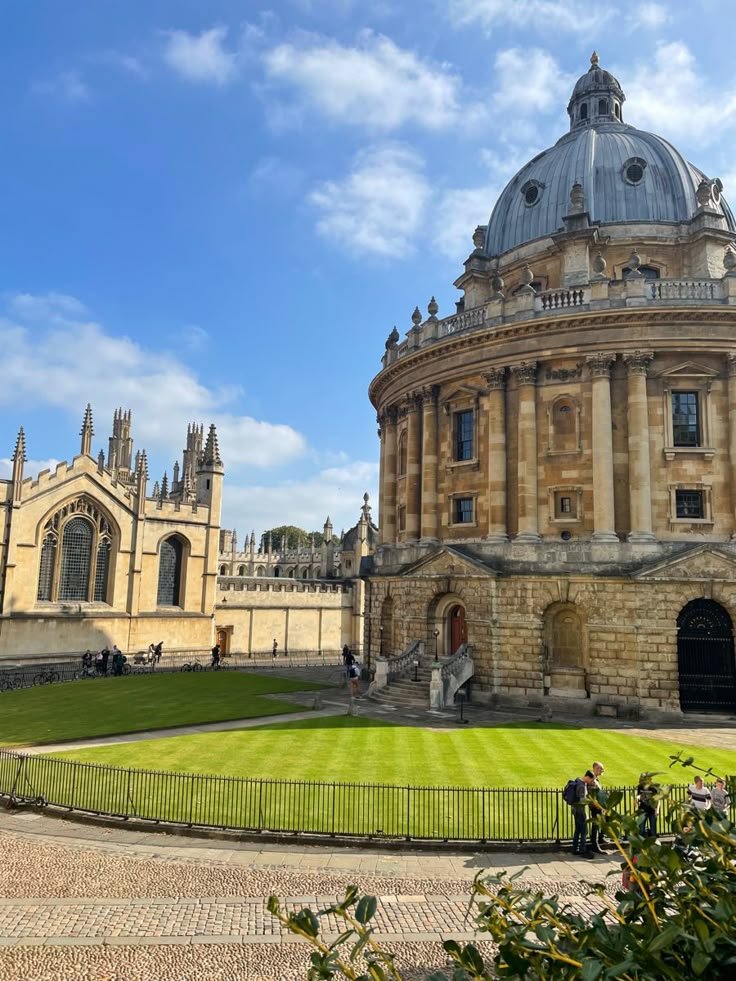
Oxford was ranked first in the world in the Times Higher Education (THE) World University Rankings for 2017, 2018, 2019, 2020, 2021, 2022, 2023, 2024, 2025, and 2026 — a record ten consecutive years. In the THE World University Rankings by Subject 2026, Oxford was for the 15th year running ranked first in the world for medical and health subjects. It was also ranked first in the world for computer science for the eighth year in a row. Oxford University secured the top place in the QS World University Rankings 2026 for Arts & Humanities overall, as well as in four individual academic subjects: Anatomy and Physiology, Anthropology, Geography, and Modern Languages. Oxford University is ranked number one in The Best UK Universities 2026 league table in The Guardian, and number two in the Complete University Guide 2026.
In the QS World University Rankings 2026, the University of Oxford is ranked #4 globally. In US News Best Global Universities 2025, Oxford is ranked #4 globally. The Oxford MBA (Saïd Business School) placement rate is 92% with graduates employed within three months of graduation — with an average reported salary of approximately $111,005 and a salary increase of 42%.
| Ranking Body | Rank |
|---|---|
| Times Higher Education (THE) 2026 | #1 in the World (10 consecutive years) |
| QS World University Rankings 2026 | #4 Globally / #2 in UK |
| US News Best Global Universities 2025 | #4 Globally |
| ARWU (Shanghai) 2025 | Top 10 Globally |
| Guardian University Guide 2026 | #1 in the UK |
| Complete University Guide 2026 | #2 in the UK |
| THE — Medical & Health Sciences 2026 | #1 in the World (15 consecutive years) |
| THE — Computer Science 2026 | #1 in the World (8 consecutive years) |
| QS — Arts & Humanities 2026 | #1 in the World |
| QS — Anatomy & Physiology | #1 in the World |
| QS — Anthropology | #1 in the World |
| QS — Geography | #1 in the World |
| QS — Modern Languages | #1 in the World |
| Nobel Laureates (alumni & staff) | 76 (as of October 2025) |
Intakes
Oxford follows the UK academic calendar with a single primary annual intake:
- October Intake (Michaelmas Term) — The only intake for all undergraduate programs; primary intake for postgraduate programs
- Graduate programs may also have January (Hilary Term) starts for a small number of courses
Application Deadlines:
| Level | Application Deadline | Platform |
|---|---|---|
| Undergraduate (all students) | 15 October 2025 (UCAS — strict Oxford-specific earlier deadline) | Via UCAS only |
| Postgraduate Taught (MSc / MPhil) | December 2025 – March 2026 (varies by program — check each course) | Oxford Graduate Admissions portal |
| DPhil (PhD) | December 2025 – March 2026 (varies by department) | Oxford Graduate Admissions portal |
| MBA (Saïd Business School) | Rolling — 5 rounds | October, December, January, March, April |
Note: Undergraduate application deadline for Oxford is October 15 — significantly earlier than the standard UCAS deadline of January 29. International students must submit by this date without exception. Application fee: £28.50 (UG via UCAS); £75 (PG direct). International students require a UK Student Visa. Verify at ox.ac.uk/admissions.
Top Courses
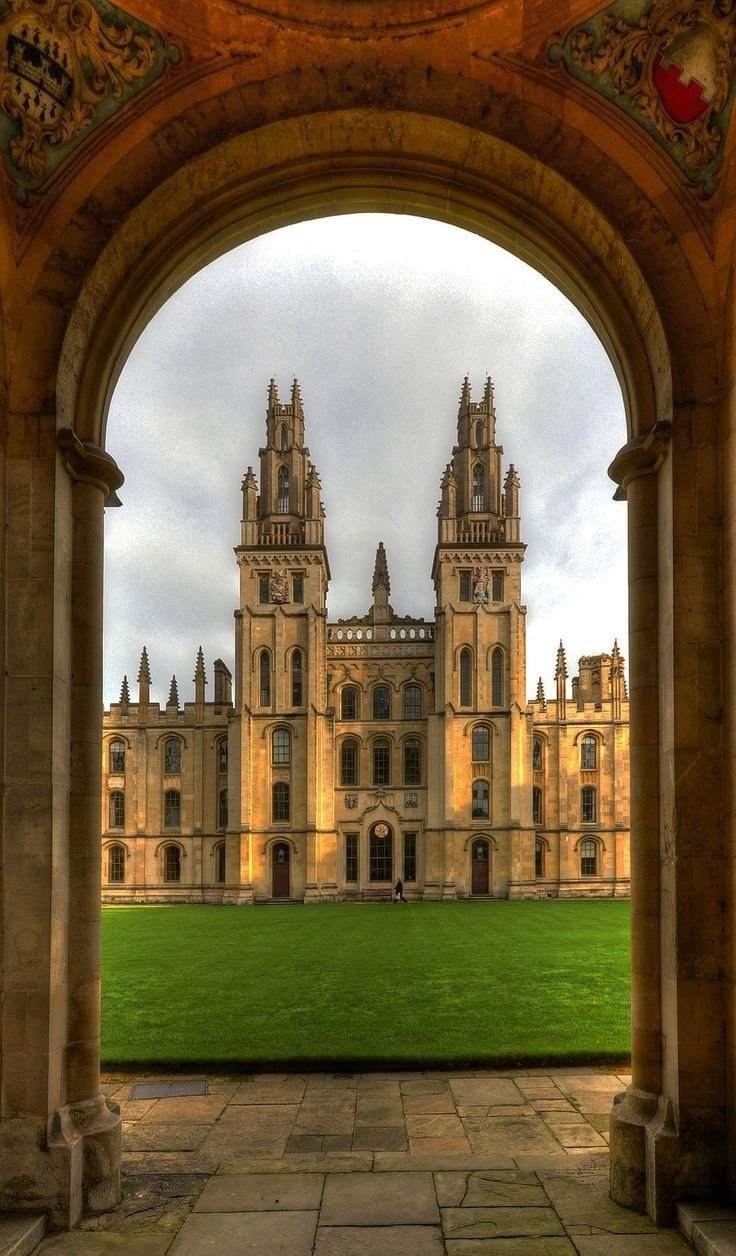
Oxford offers around 53 undergraduate courses and over 350 graduate programs across its four academic divisions: Mathematical, Physical and Life Sciences (MPLS); Medical Sciences; Humanities; and Social Sciences. Iconic programs include PPE (Philosophy, Politics and Economics), Medicine, Law, Mathematics, Computer Science, and Modern Languages.
Oxford's collegiate system means every student belongs to one of 43 colleges — each with its own character, community, and traditions. Key divisions and programs include:
Division of Medical Sciences (#1 globally — THE 2026 for 15 consecutive years):
- MB BChir in Medicine (6-year single cycle — one of the world's most competitive)
- Bachelor of Medical Sciences (BMedSci — intercalated)
- MSc in Evidence-Based Health Care, MSc in Global Health Science
- MSc in Paediatrics, DPhil in Medical Sciences
- MSc in Clinical Neuroscience, MSc in Pharmacology
Division of Mathematical, Physical and Life Sciences (MPLS):
- BA/MMath in Mathematics (4 years)
- MEng in Engineering Science (4 years)
- BA/MSci in Computer Science (#1 globally — THE 2026, 8 years running)
- BA/MSci in Physics, Chemistry, Biochemistry, Biology
- MSc in Mathematical Finance, MSc in Software and Systems Security
- MSc in Computer Science, MSc in Statistical Science
Division of Humanities:
- BA in English Language & Literature, History, Classics, Philosophy
- BA in Modern Languages (#1 globally — QS 2026)
- BA in Archaeology & Anthropology (#1 globally — QS Anthropology 2026)
- BA in Fine Art (Ruskin School), BA in Music, BA in Oriental Studies
- MSt in English Literature, MSt in Medieval History, MSt in Classical Archaeology
- MLitt / DPhil across all humanities disciplines
Division of Social Sciences:
- BA in PPE — Philosophy, Politics and Economics (Oxford's most famous program — Indira Gandhi, Malala Yousafzai, Bill Clinton)
- BA in Law (Jurisprudence — 3 years), BA in Law with Law Studies in Europe (4 years)
- BA in History and Economics, BA in Human Sciences
- BA in Geography (#1 globally — QS 2026)
- MSc in Economics, MSc in Education
- MSc in Law and Finance (LLM), MSc in Financial Economics
- MPhil in International Relations, MSc in Social Data Science, MSc in Criminology
Saïd Business School:
- 1+1 MBA (1 year Oxford MBA + 1 year specialist MSc — innovative global program)
- Executive MBA
- MSc in Financial Economics, MSc in Major Programme Management
- DPhil in Management Studies
Cost of Studying at University of Oxford
For the academic year 2025/26, Overseas (international) undergraduate tuition fees at Oxford range from £35,260 to £59,260, varying by course. Graduate programs fall between £29,350 and £59,360. Some programs like Medicine will have higher fees due to the clinical components in the later years.
The estimated monthly living expenses for the 2025–26 academic year range from £1,425 to £2,035, depending on lifestyle and individual choices. This covers all essential day-to-day expenses including accommodation (£790–£955/month), food, transport, and personal items.
| Type of Expense | Annual Cost (GBP) | Annual Cost (INR Approx.) |
|---|---|---|
| Tuition Fees — BSc / BA / BEng (Overseas) | £35,260 – £44,240/year | ₹37,73,000 – ₹47,34,000 |
| Tuition Fees — Medicine (Overseas — Years 1–3) | £35,260/year | ₹37,73,000 |
| Tuition Fees — Medicine (Overseas — Clinical Years 4–6) | £59,260/year | ₹63,41,000 |
| Tuition Fees — MSc / MPhil (Overseas) | £29,350 – £45,000/year | ₹31,40,000 – ₹48,15,000 |
| Tuition Fees — MBA / Saïd Business School (1+1) | £88,800 (full program) | ₹94,99,000 (total) |
| Tuition Fees — DPhil / PhD (Overseas) | £29,350 – £33,000/year | ₹31,40,000 – ₹35,31,000 |
| Application Fee | £28.50 (UG) / £75 (PG) | ₹3,050 / ₹8,025 |
| College Accommodation (self-catered) | £9,480 – £11,460/year (£790–£955/month) | ₹10,14,000 – ₹12,26,000 |
| Food & Personal Expenses | £5,000 – £7,500/year | ₹5,35,000 – ₹8,03,000 |
| Transport (Oxford — bus pass / cycling) | £500 – £1,000/year | ₹53,500 – ₹1,07,000 |
| NHS Health Surcharge (international) | £776/year | ₹83,000/year |
| Books & Study Materials | £500 – £1,500/year | ₹53,500 – ₹1,61,000 |
| Total Estimated Annual Cost | £50,000 – £75,000 | ₹53,50,000 – ₹80,25,000 |
Note: Oxford is significantly more affordable for accommodation than London — Oxford's colleges provide subsidised housing. International undergraduate fees are substantially higher than Home (UK) fees of £9,535. Fees increase annually. Verify at ox.ac.uk/admissions/undergraduate/fees-and-funding or ox.ac.uk/admissions/graduate/fees-and-funding.
Scholarships
The University of Oxford gives more than 50 scholarships for international students, based on need and merit, across the undergraduate and postgraduate levels. These include the Reach Oxford Scholarship — covering tuition fees, living costs, and one return airfare per year for students from low-income countries; the Clarendon Fund Scholarships — covering the entire tuition fee for graduate students and offering a generous living stipend; and the Rhodes Scholarship — one of the most prestigious awards in the world, offering full financial support to outstanding international students. The India Oxford Scholarship is exclusive to Indian students for graduate-level study at Oxford.
Key scholarships for international students:
| Scholarship | Type | Value |
|---|---|---|
| Rhodes Scholarship | Merit + leadership (postgraduate) | Full tuition + £18,180/year living stipend + airfare (one of world's most prestigious) |
| Clarendon Fund Scholarship | Merit-based (postgraduate) | Full tuition + £18,180/year living stipend (300+ awards annually — automatic consideration) |
| Reach Oxford Scholarship | Need-based (low-income countries — UG) | Full tuition + living costs + one return airfare per year |
| India Oxford Scholarship | Country-specific (India — PG) | Full tuition + living stipend for Indian graduate students |
| Weidenfeld-Hoffmann Scholarship | Leadership + merit (postgraduate) | Full tuition + living stipend for outstanding leaders from select countries |
| Oxford-Crankstart Scholarship | Need-based (undergraduate — UK) | Up to £6,000/year for Home students from low-income backgrounds |
| GREAT Scholarships (British Council — India) | Bilateral (India-UK) | £10,000+ toward PG tuition for Indian students |
| Commonwealth Shared Scholarship | Commonwealth government-funded | Full tuition + living allowance + return airfare (1-year taught Masters) |
| College-Specific Scholarships | Varies by college | Each of Oxford's 43 colleges has its own bursaries and awards |
Admissions
Entry to undergraduate courses at Oxford continues to be very competitive: there are usually only around 3,300 places and over 23,000 people applied to start in 2024 — an acceptance rate of approximately 14–17%. The majority of Oxford's UK undergraduates come from state schools; over 66% of UK students admitted in 2024 were from the state sector.
For Undergraduate Programs (BA / BSc / MEng — 3 or 4 years):
- A-Level: Typically AAA for STEM and A*AA for humanities and social sciences
- International Baccalaureate (IB): 38–40 points (with 7,7,6 at Higher Level minimum)
- Indian students (Class 12 CBSE/ISC): 95%+ across all subjects; subject-specific excellence required
- Entrance / Admission Tests are mandatory for most courses:
- MAT (Mathematics Admissions Test) for Mathematics, Computer Science, Engineering
- PAT (Physics Aptitude Test) for Physics, Engineering
- LNAT (Law National Aptitude Test) for Law (Jurisprudence)
- TSA (Thinking Skills Assessment) for PPE, Philosophy, Economics, some other courses
- BMAT (Biomedical Admissions Test) for Medicine (now replaced by UCAT + interview)
- Interview: All shortlisted candidates are interviewed — typically 2 interviews in a college setting
- IELTS 7.0–7.5 / TOEFL iBT 100–110 depending on course
- UCAS deadline: October 15 (strict — no exceptions for Oxford)
For Postgraduate Programs (MSc / MPhil):
- Bachelor's degree with minimum First Class or High 2:1 Hons (70%+ equivalent; top programs require First Class / 75%+)
- IELTS 7.0–7.5 / TOEFL iBT 100–110 (varies by course)
- GRE/GMAT required for MBA (GMAT 680+ recommended; average 690+)
- Research proposal (for research degrees)
- 2–3 Letters of Recommendation
- Personal Statement / Statement of Purpose
- CV / Résumé
- Application fee: £75 (non-refundable)
For DPhil (PhD) Programs:
- Master's degree (or First Class Bachelor's for direct-entry DPhil in some subjects)
- Supervisor agreement recommended before applying
- Research proposal (5,000+ words for most subjects)
- IELTS 7.5 / TOEFL iBT 110+
- 3 Academic Letters of Recommendation
Placements
Oxford graduates have an employability rate of over 91% employed or in further study within six months of graduation. Oxford students go on to lead in every field imaginable — finance, technology, law, medicine, research, and public service.
The Oxford University average salary figure stood at GBP 74,183 per annum for graduates across industries. The Oxford MBA placement rate is 92% within three months, with an average reported salary of $111,005 and a salary increase of 42% post-MBA. The MSc Financial Economics placement rate is 92% within three months.
Oxford's unique collegiate system means students graduate not just with a degree but with lifelong membership of their college — with access to tutorials, guest speaker events, and an alumni network that includes 31 British Prime Ministers, 76 Nobel laureates, and heads of state from across the globe. The Careers Service at Oxford provides one-to-one guidance, recruitment events, employer networking, and access to the Oxford Careers Connect platform.
Key career sectors for Oxford graduates:
- Finance & Investment Banking — Goldman Sachs, J.P. Morgan, Morgan Stanley, Barclays, HSBC, Blackstone, BlackRock, Citadel
- Consulting & Strategy — McKinsey, BCG, Bain, Oliver Wyman, Deloitte, PwC, Roland Berger
- Technology & AI — Google DeepMind (co-founded by Oxford researchers), Microsoft Research, Meta AI, Amazon, Apple, Oxford AI spin-offs
- Law — Magic Circle firms (Linklaters, Clifford Chance, Slaughter & May, Freshfields, Allen & Overy), international courts, top US firms
- Public Service & International Organisations — UK Government, European Commission, UN, World Bank, IMF, OECD
- Medicine & Research — Oxford University Hospitals, AstraZeneca, GlaxoSmithKline, Wellcome Trust, MRC, UK Research and Innovation
Jobs After Graduating from University of Oxford
| Job Profile | Average Annual Salary (GBP) | INR Approx./Year |
|---|---|---|
| Investment Banker / Fund Manager | £70,000 – £180,000 | ₹74,90,000 – ₹1,92,60,000 |
| Management Consultant | £65,000 – £120,000 | ₹69,55,000 – ₹1,28,40,000 |
| Lawyer / Barrister (Magic Circle) | £70,000 – £150,000 | ₹74,90,000 – ₹1,60,50,000 |
| Doctor / Hospital Consultant | £70,000 – £150,000 | ₹74,90,000 – ₹1,60,50,000 |
| Software Engineer / AI Researcher | £65,000 – £130,000 | ₹69,55,000 – ₹1,39,10,000 |
| MBA Graduate / Senior Manager | £88,800+ (average starting — Saïd MBA) | ₹94,99,000+ |
| MSc Financial Economics Graduate | ~£100,000 (average — $111,005) | ₹1,07,00,000 |
| Policy Analyst / Diplomat | £50,000 – £100,000 | ₹53,50,000 – ₹1,07,00,000 |
| Research Scientist / Academic | £45,000 – £80,000 | ₹48,15,000 – ₹85,60,000 |
| Overall Average Oxford Graduate Salary | £74,183 | ₹79,38,000 |
Note: Salary figures are indicative annual gross values in GBP. Actual salaries vary significantly by field, employer, role, and experience. Oxford finance and consulting graduates in London frequently earn substantial bonuses above base salary. International graduates may apply for the UK Graduate Route visa, allowing 2 years of post-study work (3 years for DPhil graduates).
For personalised guidance on University of Oxford admissions, scholarships, and the UK student visa process, connect with the experts at Polygon Campus today.