Overview
University College London (UCL), founded in the heart of London in 1826, has a rich history of innovation and inclusivity. Founded on 11 February 1826 under the name London University, UCL was established as a secular alternative to the strictly religious universities of Oxford and Cambridge — the first university in England to admit students regardless of their religion or background. Its founders, including intellectuals such as James Mill and Henry Brougham, aimed to set UCL apart from traditional institutions. UCL was also the first British university to admit women on equal terms with men.
Founded in 1826, UCL is London's leading multidisciplinary university, with more than 16,000 staff and 50,000 students from over 150 different countries. Its distinctive approach to research, education, and innovation seeks to further inspire communities to transform how the world is understood, how knowledge is created and shared, and the way global problems are solved. UCL is ranked #1 University of the Year 2024, #2 in the UK for Research Power, and has 30 Nobel Prize laureates among alumni and staff.
UCL's research excellence is unparalleled — 93% of UCL research is graded "world-leading" or "internationally excellent" by the 2021 Research Excellence Framework. UCL's discoveries include noble gases, the DNA structure, and Alzheimer's drug Lecanemab, with 33 Nobel Prize laureates across alumni and staff. UCL is ranked 1st in the UK and 5th globally for sustainability in the QS Sustainability Rankings 2025.
In 1973, UCL became the first international link to ARPANET — the precursor of the internet — and the first institution to send the world's first electronic mail (email) in the same year. UCL's historic Bloomsbury campus in central London is surrounded by the British Museum, Great Ormond Street Hospital, and the Royal Academy of Arts, offering students and researchers unparalleled access to the cultural and intellectual heart of one of the world's greatest cities.
In the 2022–2023 academic year, UCL had a total student population of 51,058, comprising 25,121 undergraduate students, 19,745 taught postgraduate students, and 6,192 research postgraduate students. Approximately 49.8% of the students come from countries outside the United Kingdom. UCL is part of the elite Russell Group of UK universities and a member of the League of European Research Universities (LERU). The university also has a stellar track record with 30 Nobel Prize winners having been staff or students at UCL.
Notable alumni include Mahatma Gandhi (law student), Alexander Graham Bell (creator of the telephone, studied at UCL), Ricky Gervais (comedian), Chris Martin (Coldplay lead singer), and numerous heads of state, Nobel laureates, and leaders across business, science, law, and the arts.
| ~38% Acceptance Rate | 51,058 Total Students | 150+ Countries Represented | Founded 1826 — Celebrating Bicentenary 2026 |
Ranking
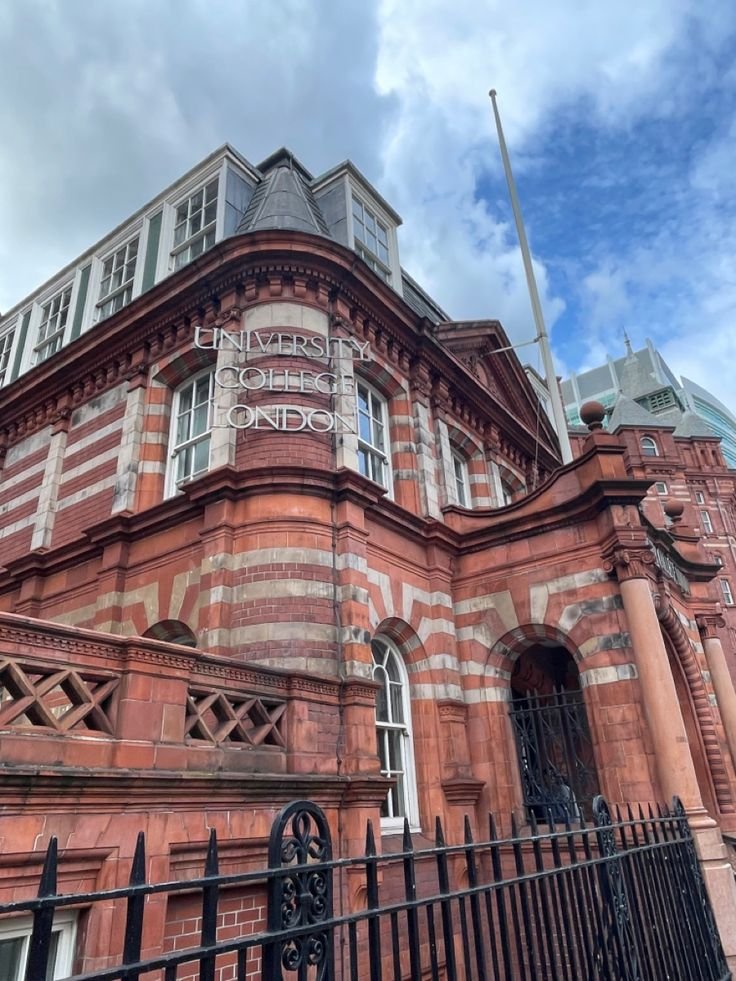
University College London ranks #9 globally in the QS World University Rankings 2026 — ranking among the top 10 universities in the world for the 13th consecutive year and among the top 3 universities in Europe. UCL hosts over 1,000 students from India and is known for academic strength in Computer Science, Engineering, Data Science, Business, and Architecture.
UCL is ranked 1st in the UK and 5th globally for sustainability in QS Sustainability Rankings 2025. UCL is named University of the Year 2024 by The Times and Sunday Times, and it ranks 2nd in the UK for research power, with 93% of research graded "world-leading" or "internationally excellent." UCL's Institute of Education is ranked 1st globally in Education, and UCL is ranked 1st globally in Architecture.
| Ranking Body | Rank |
|---|---|
| QS World University Rankings 2026 | #9 Globally / #4 in UK (Top 10 for 13 consecutive years) |
| Times Higher Education (THE) 2026 | Top 20 Globally |
| ARWU (Shanghai) 2025 | Top 25 Globally |
| US News Best Global Universities 2024–25 | #7 Globally (Joint) |
| QS Sustainability Rankings 2025 | #5 Globally / #1 in UK |
| UK Research Excellence Framework (REF) 2021 | #2 in UK for Research Power |
| QS — Education | #1 Globally |
| QS — Architecture & Built Environment | #1 Globally |
| Times & Sunday Times | University of the Year 2024 |
| Nobel Prize Laureates (alumni & staff) | 33 total |
Intakes
UCL follows the UK academic calendar with a single primary annual intake:
- September/October Intake — The only intake for all undergraduate programs; primary intake for postgraduate programs
Application Deadlines (Indicative for 2026–27):
| Level | Application Deadline | Platform |
|---|---|---|
| Undergraduate (all students) | January 29, 2026 (UCAS deadline) | Via UCAS |
| Postgraduate Taught (MSc / MA / LLM) | October – April (rolling; varies by program) | UCL online application portal |
| Postgraduate Research (MPhil / PhD) | Rolling throughout the year | UCL Graduate Admissions portal |
| MBA (UCL School of Management) | Rolling — multiple rounds | UCL SoM portal |
Note: Application fee: none for most UCL programs. International students need a UK Student Visa. UCL guarantees that international UG students' tuition fees will not increase during the course of the programme (cohort guarantee). Apply early — popular programs close well before the final deadline. Verify at ucl.ac.uk/study.
Top Courses
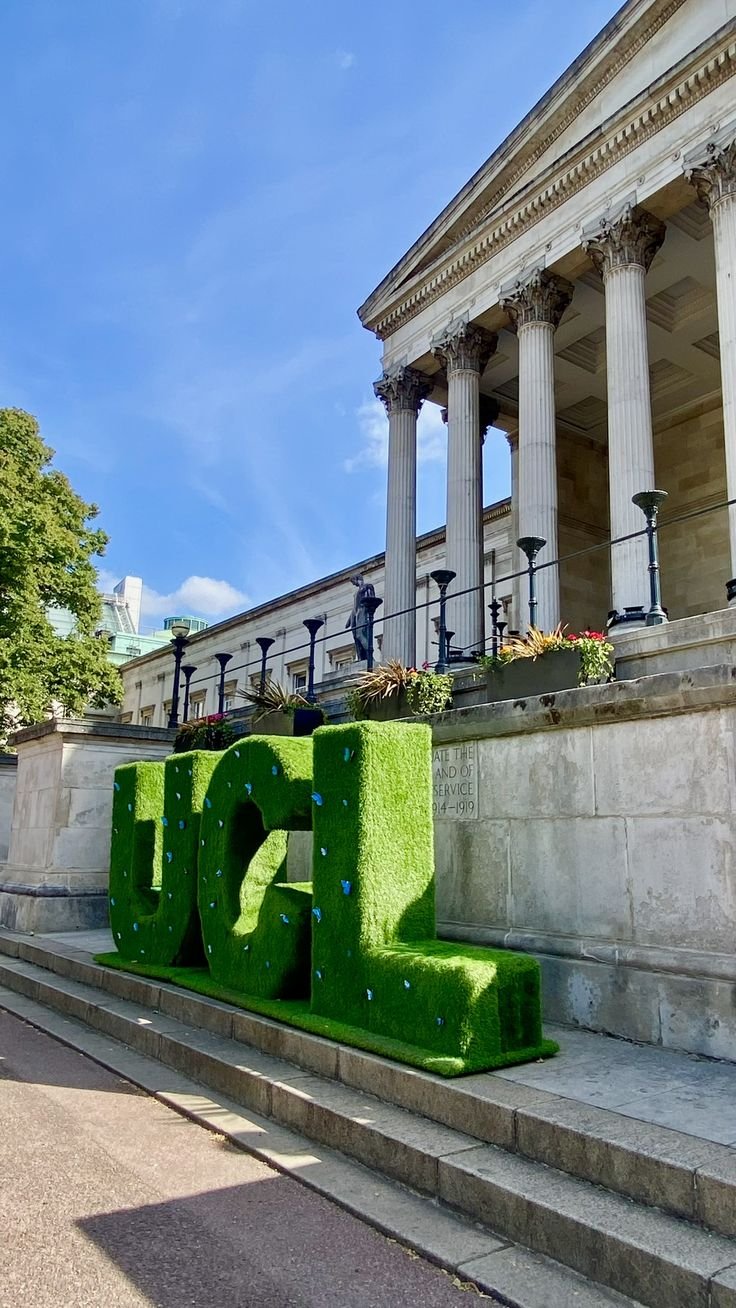
UCL offers 430 undergraduate courses and 720 postgraduate courses across 11 faculties, including the Faculty of Arts and Humanities, the Faculty of Brain Sciences, the Faculty of the Built Environment, the Faculty of Engineering Sciences, the Faculty of Education, the Faculty of Laws, the Faculty of Life Sciences, the Faculty of Mathematical and Physical Sciences, the Faculty of Medical Sciences, the Faculty of Population Health Sciences, and the Faculty of Social and Historical Sciences.
Key faculties and flagship programs include:
Faculty of Engineering Sciences:
- BSc / MEng in Computer Science, Electronic and Electrical Engineering, Chemical Engineering
- MSc in Computer Science (various specialisations)
- MSc in Data Science and Machine Learning
- MSc in Artificial Intelligence (hugely popular with international students)
- MSc in Robotics and Computation
Faculty of Mathematical and Physical Sciences:
- BSc / MSc in Mathematics, Statistics, Physics, Astrophysics, Chemistry
- MSc in Financial Mathematics, MSc in Computational Statistics and Machine Learning
Faculty of Laws (#top global — QS):
- LLB in Law (3 years), LLB in Law with Another Legal System (4 years)
- LLM in Law (general and specialist streams — Corporate, International, Human Rights)
- MSc in Law and Finance (joint with Finance)
Faculty of Medical Sciences (associated with Great Ormond Street, Royal Free Hospital, Moorfields Eye Hospital):
- MBBS in Medicine (6-year single cycle)
- BSc / MSc in Biomedical Sciences, Clinical Neuroscience, Pharmacology
- MSc in Global Health, MSc in Public Health
UCL School of Management:
- BSc in Management Science
- MSc in Management (MiM — £39,800 tuition, 2025–26)
- MSc in Finance, MSc in Business Analytics, MSc in Technology Entrepreneurship
- MBA (Executive format)
Faculty of the Built Environment (Bartlett — #1 globally for Architecture):
- BSc / MArch in Architecture (#1 globally — QS)
- MSc in Urban Planning, MSc in Sustainable Urbanism, MSc in Smart Cities and Urban Analytics
Faculty of Brain Sciences (internationally renowned neuroscience):
- BSc in Psychology, BSc in Cognitive Neuroscience
- MSc in Clinical Neuroscience, MSc in Cognitive and Decision Sciences
Faculty of Arts and Humanities:
- BA in History, Philosophy, English, Languages, Film Studies, Classics
- MA in Film Studies, MA in History, MA in Philosophy
Faculty of Education (UCL Institute of Education — #1 globally — QS):
- PGCE programs, MEd, MA in Education
- PhD in Education, International Development in Education
Cost of Studying at UCL
For international students, UCL fees for postgraduate programs range from £26,200 to £57,700 per year, while undergraduate fees range from £26,200 to £47,000 per year (program-specific).
Most international undergraduate students benefit from a cohort guarantee, meaning their tuition fees will not increase during the course of the programme. The MBBS Medicine years are excluded from the cohort guarantee. International fees shown are the fees charged to 2026–27 entrants for the first year only.
| Type of Expense | Annual Cost (GBP) | Annual Cost (INR Approx.) |
|---|---|---|
| Tuition Fees — BSc / BA (Overseas) | £26,200 – £35,000/year | ₹28,04,000 – ₹37,48,000 |
| Tuition Fees — BSc Computer Science / Engineering (Overseas) | £35,000 – £47,000/year | ₹37,48,000 – ₹50,31,000 |
| Tuition Fees — MBBS Medicine (Overseas) | £38,000 – £54,000/year | ₹40,68,000 – ₹57,82,000 |
| Tuition Fees — MSc / MA (Overseas) | £26,200 – £45,000/year | ₹28,04,000 – ₹48,18,000 |
| Tuition Fees — MSc Management (MiM) | £39,800/year | ₹42,61,000 |
| Tuition Fees — MBA (UCL SoM) | £42,000 – £55,000/year | ₹44,95,000 – ₹58,89,000 |
| Tuition Fees — MPhil / PhD (Overseas) | £22,000 – £30,000/year | ₹23,54,000 – ₹32,12,000 |
| Student Services Levy / Union Fee | £400/year | ₹42,840/year |
| NHS Health Surcharge (international) | £776/year | ₹83,100/year |
| Accommodation (UCL Halls — central London) | £7,000 – £15,000/year | ₹7,49,000 – ₹16,05,000 |
| Food & Personal Expenses | £5,000 – £8,000/year | ₹5,35,000 – ₹8,56,000 |
| Transport (London TfL — Oyster card) | £1,500 – £2,500/year | ₹1,61,000 – ₹2,68,000 |
| Total Estimated Annual Cost | £38,000 – £60,000 | ₹40,68,000 – ₹64,23,000 |
Note: London is one of the world's most expensive cities. UCL's cohort fee guarantee for international UG students locks in fees for the full program. Verify at ucl.ac.uk/study/student-finances/tuition-fees.

Scholarships
The UCL Global Masters Scholarship is designed to help overseas students from low-income families pursue full-time Master's degree studies at UCL. Up to 75 scholarships are available, including scholarships specifically for Indian students. The scholarship is worth £15,000 for one year and can be used to cover tuition and living expenses. The application deadline is typically in April.
Key scholarships for international students:
| Scholarship | Type | Value |
|---|---|---|
| UCL Global Masters Scholarship | Need-based (Overseas students, low-income) | £15,000 for 1 year — up to 75 awards including India-specific slots |
| UCL India Excellence Award | Merit-based (India-specific) | Partial tuition reduction for outstanding Indian students |
| Chevening Scholarship (UK Government) | Merit + leadership | Full tuition + living stipend + return airfare (1-year Masters) |
| Commonwealth Shared Scholarship | Commonwealth government | Full tuition + living allowance + return airfare (1-year taught Masters) |
| GREAT Scholarships (British Council — India) | Bilateral (India-UK) | £10,000 minimum toward PG tuition for Indian students |
| UCL PhD Studentships | Research excellence | Full tuition + living stipend for exceptional doctoral candidates |
| Overseas Research Scholarship (ORS) | Research merit | Waives the difference between Home and Overseas PhD fees |
| Departmental Scholarships | Faculty-specific | Varies — engineering, law, education, medicine all have dedicated awards |
Admissions
The acceptance rate for University College London is approximately 38%, making it a highly competitive institution for prospective students.
For Undergraduate Programs (BSc / BA / BEng — 3 or 4 years):
- A-Level: Typically AAA to ABB depending on program (Computer Science / Engineering require A*AA–AAB)
- IB: 38–40 points for competitive programs
- Indian students (CBSE/ISC Class 12): 85–95%+ depending on program; strong performance in relevant subjects
- IELTS 6.5–7.5 (no band below 6.0–7.0) / TOEFL iBT 92–109 depending on program
- UCAS application with personal statement and academic reference
- Portfolio required for Architecture (Bartlett) and Art programs
For Postgraduate Programs (MSc / MA / LLM):
- Bachelor's degree with 2:1 Hons equivalent (60–70%+); competitive programs require 2:1 or First Class (65–75%+)
- IELTS 6.5–7.5 / TOEFL iBT 92–109 (program-specific)
- GMAT/GRE required for MBA and select business/analytics programs
- Personal Statement, CV, 2 Academic References, certified transcripts
For PhD Programs:
- Master's degree (or strong bachelor's for direct-entry in some departments)
- IELTS 7.0 / TOEFL iBT 100+
- Research proposal and supervisor agreement
Placements
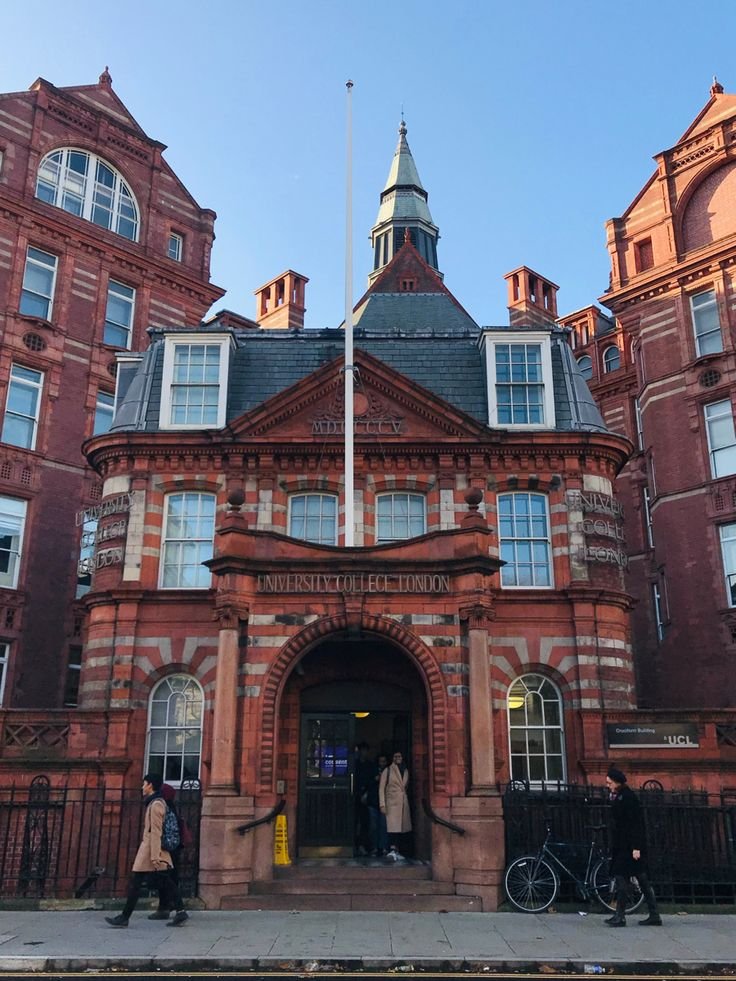
UCL graduates earn an average starting salary of £35,000 to £45,000 per annum for undergraduates, while postgraduate and PhD graduates earn £45,000 to £65,000 and above depending on specialisation and industry. The majority of UCL students are placed with prestigious companies including Google, Amazon, Microsoft, Goldman Sachs, McKinsey & Company, and AstraZeneca.
UCL's £9.9 billion annual economic impact — including £4 billion from research — and its location in Bloomsbury, London, give graduates direct access to one of the world's most dynamic and globally connected job markets.
Key career sectors for UCL graduates:
- Technology & AI — Google DeepMind (partially UCL-affiliated), Microsoft, Amazon, IBM, Palantir, BCG Gamma
- Finance & Banking — Goldman Sachs, J.P. Morgan, Barclays, HSBC, BlackRock, Lloyds Banking Group
- Pharmaceuticals & Life Sciences — AstraZeneca, GlaxoSmithKline, Wellcome Trust, Cancer Research UK, Great Ormond Street Hospital
- Law — Magic Circle firms, international courts, top US firms (London offices)
- Consulting — McKinsey, BCG, Bain, Deloitte, PwC, KPMG, Oliver Wyman
- Research & Academia — UKRI, MRC, Wellcome Trust, top UK and global universities
Jobs After Graduating from UCL
| Job Profile | Average Annual Salary (GBP) | INR Approx./Year |
|---|---|---|
| Software Engineer / Data Scientist | £45,000 – £80,000 | ₹48,18,000 – ₹85,64,000 |
| Investment Banker / Financial Analyst | £55,000 – £110,000 | ₹58,89,000 – ₹1,17,79,000 |
| Medical Doctor / Clinical Specialist | £45,000 – £120,000 | ₹48,18,000 – ₹1,28,46,000 |
| Lawyer / Solicitor | £50,000 – £100,000 | ₹53,53,000 – ₹1,07,06,000 |
| Management Consultant | £50,000 – £100,000 | ₹53,53,000 – ₹1,07,06,000 |
| Architect / Urban Planner (Bartlett) | £35,000 – £70,000 | ₹37,48,000 – ₹74,95,000 |
| Research Scientist / Academic | £38,000 – £70,000 | ₹40,68,000 – ₹74,95,000 |
| MSc Management / MBA Graduate | £45,000 – £90,000 | ₹48,18,000 – ₹96,37,000 |
| AI / Machine Learning Engineer | £55,000 – £100,000 | ₹58,89,000 – ₹1,07,06,000 |
| UG Average Starting Salary | £35,000 – £45,000 | ₹37,48,000 – ₹48,18,000 |
Note: Salary figures are indicative annual gross values in GBP. International graduates may apply for the UK Graduate Route visa, allowing 2 years of post-study work (3 years for PhD graduates).
For personalised guidance on UCL admissions, scholarships, and the UK student visa process, connect with the experts at Polygon Campus today.