Overview
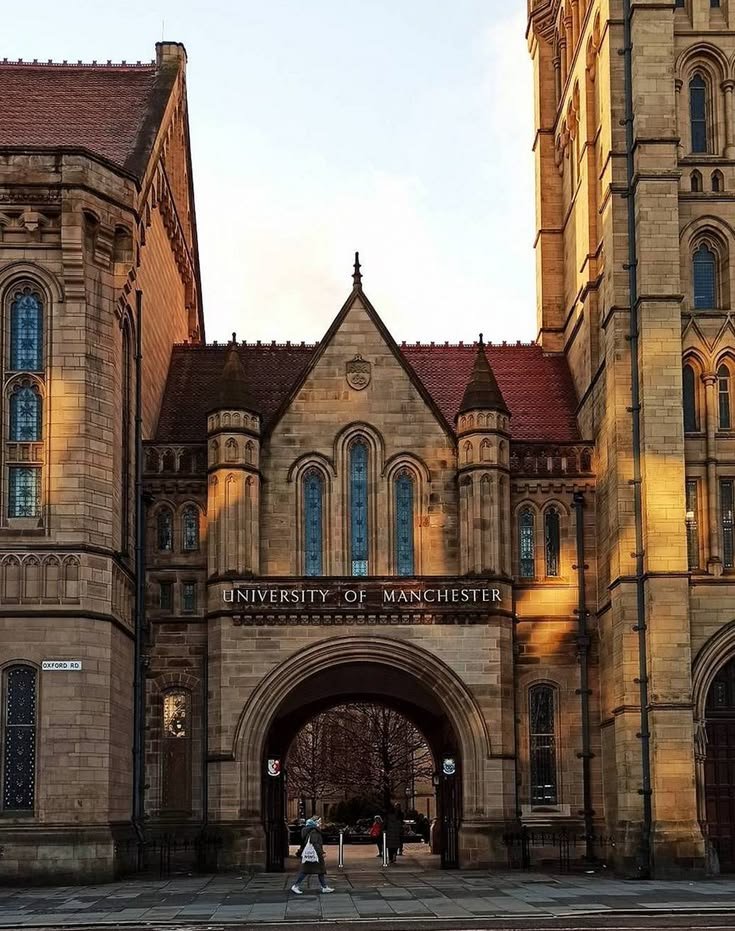
The University of Manchester is one of Britain's most famous and forward-thinking universities, with a rich heritage stretching back to 1824 and an exciting agenda for the future. Many major advances of the 20th century began here, including the birth of the computer, the work that led to the splitting of the atom, and the founding principles of modern economics.
Manchester University was created through the amalgamation of two universities — Victoria University of Manchester and the University of Manchester Institute of Science and Technology (UMIST). The roots of the Manchester University go back to 1824. Manchester University gained its university status in 1880. Then, in 1970, this university became the first university to offer a Nursing degree. In March 2003, the Victoria University of Manchester and UMIST agreed to merge into a single institution.
Manchester Uni is famous for its research and is ranked 5th for research power. It is an international university with 44,000+ students. It is also home to 26 Nobel Prize winners. In the Graduate Market 2024, Manchester is the second most targeted university by the leading employers of the UK. The roll call of Manchester's intellectual legacy reads like a history of modern civilisation: John Dalton established atomic theory here; Rutherford split the atom here; Alan Turing pioneered artificial intelligence and the stored-program computer here; and Andre Geim and Konstantin Novoselov isolated graphene at Manchester in 2004, earning the 2010 Nobel Prize in Physics — one of the most celebrated scientific breakthroughs of the 21st century.
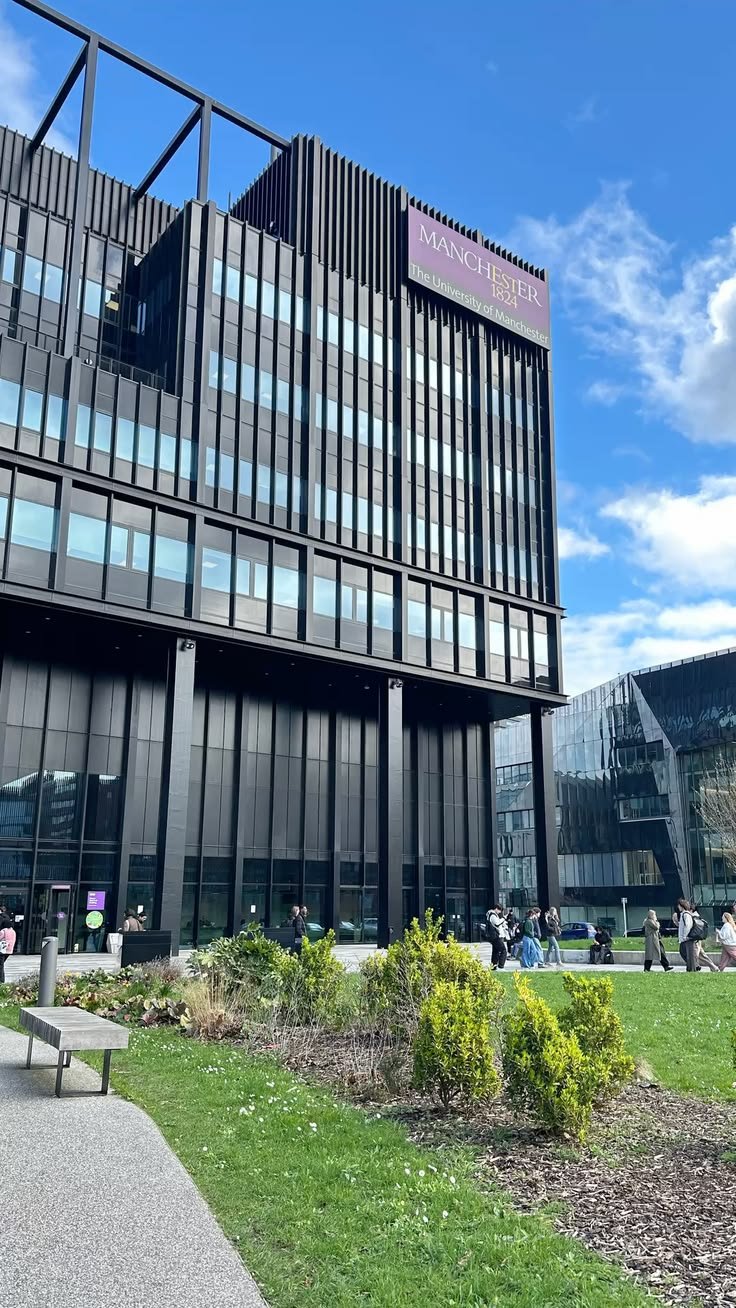
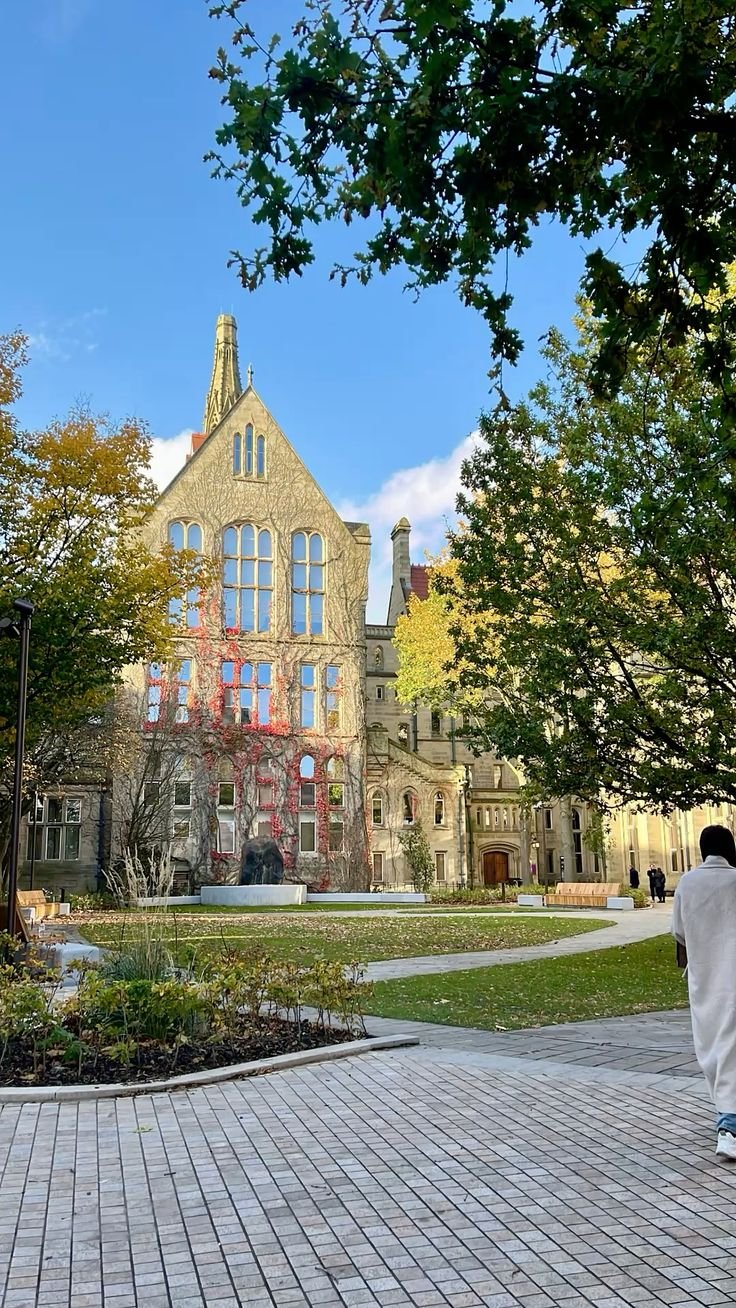
The University of Manchester's campus has benefitted from a £1 billion capital investment programme featuring beautiful heritage buildings and new developments including MECD — the single largest home for engineering in any UK university — and the Alliance Manchester Business School. The university also has a newly signed Memorandum of Understanding with the State Government of Rajasthan — the Rajasthan Manchester Collaboration — focused on advancing research, capacity, and education in Medical, Biological, and Health and Care Sciences, making Manchester uniquely relevant for Indian students and partners.
Notable alumni include Lord Ernest Rutherford (Nobel Chemistry 1908 — splitting the atom), physicist Brian Cox (BBC science communicator), feminist icon Emmeline Pankhurst, football manager Sir Alex Ferguson (honorary degree), economist Joseph Stiglitz (Nobel 2001), and business leaders including Michael Sherwood (former Vice Chairman, Goldman Sachs).
| ~51% Acceptance Rate | 44,000+ Students | 160+ Countries Represented | #2 Most Targeted by UK Top Graduate Employers (High Fliers 2024) / Graphene Isolators Nobel 2010 |
|---|
Ranking
The University of Manchester QS World Ranking is #35 in 2026. According to Shiksha Popularity Rankings, the University of Manchester has an overall ranking of #31 in the world and #11 in the UK. Manchester Uni is ranked 5th for research power in the UK Research Excellence Framework (REF) 2021.
In the Graduate Market 2024, Manchester is the second most targeted university by the leading employers of the UK — an employer reputation ranking that places it among the very elite of British universities regardless of overall academic rank. Manchester excels in Economics, Chemistry, Physics, Computer Science, and Business.
| Ranking Body | Rank |
|---|---|
| QS World University Rankings 2026 | #35 Globally / #6 in UK |
| Times Higher Education 2026 | Top 75 Globally |
| ARWU (Shanghai) 2025 | Top 100 Globally |
| US News Best Global Universities 2025 | Top 50 Globally |
| UK REF 2021 — Research Power | #5 in UK |
| High Fliers Graduate Market Report 2024 | #2 Most Targeted by UK Top Graduate Employers |
| QS — Linguistics (Subject) | Top 25 Globally |
| QS — Chemistry (Subject) | Top 50 Globally |
| QS — Computer Science (Subject) | Top 75 Globally |
Intakes
Manchester operates on a UK academic calendar with one primary annual intake.
Primary Intake — September/October — Main intake for all undergraduate and most postgraduate programs.
- UG UCAS application deadline: January 2026 for September 2026 UG entry; main UG application deadline: June 30, 2026 for any remaining places
- PG applications: rolling admissions; international students advised to apply by January–March for September entry; competitive programs (Computer Science, Business, Economics) close early
January Intake — Available for select postgraduate programs only; verify at manchester.ac.uk.
Important for Indian Students:
- Application fee: £0 for most UG programs (via UCAS standard); application via university portal for PG (no additional fee typically)
- Undergraduate applicants require 80–95% in CBSE/ISC for most programs; Postgraduate applicants require a 3-year degree with 60–80% score
- English Proficiency: IELTS 6.5 overall for most programs; TOEFL iBT 90+; PTE 65+; some programs (Law, MBA, Medicine) require IELTS 7.0
- UK Student Visa required; university issues CAS after admission offer
- International students can work up to 20 hours per week during term and full-time during holidays
- Graduate Route (Post-Study Work Visa): 2 years post-study open work rights in the UK
- Manchester is one of the UK's most affordable major cities — significantly cheaper than London, Oxford, or Edinburgh
Note: Polygon Campus primarily assists with graduate-level admissions. Confirm specific intake dates and program availability at manchester.ac.uk.

Top Courses
The university offers over 1,000 programs across 3 faculties: the Faculty of Biology, Medicine and Health; the Faculty of Humanities; and the Faculty of Science and Engineering. Key schools and popular programs include:
Faculty of Science and Engineering
Department of Computer Science
- BSc in Computer Science / Artificial Intelligence / Data Science
- MSc in Computer Science — English-taught; very popular with Indian students
- MSc in Artificial Intelligence — English-taught
- MSc in Data Science — English-taught; strong industry links
- MSc in Advanced Computer Science
- MSc in Cybersecurity — English-taught
- PhD in Computer Science
Department of Electrical and Electronic Engineering
- BEng / MEng in Electrical Engineering / Computer Engineering
- MSc in Electronic Engineering
- MSc in Advanced Control and Systems Engineering
Manchester Engineering Campus Development (MECD — Largest Engineering Campus in UK)
- BEng / MEng in Chemical / Civil / Mechanical / Aerospace / Materials Engineering
- MSc in Structural Engineering
- MSc in Mechatronics and Robotics
Department of Mathematics
- BSc / MMath in Mathematics / Statistics / Actuarial Science
- MSc in Mathematics
Department of Chemistry and Physics
- BSc / MChem in Chemistry — top 50 globally (QS); birthplace of atomic theory
- BSc / MPhys in Physics — birthplace of graphene; Nobel Prize 2010
- MSc in Chemistry / Physics research programs
Faculty of Biology, Medicine and Health
Manchester Medical School
- MBChB (5-year Medicine — highly competitive)
- MSc in Global Health — English-taught
- MSc in Public Health — English-taught
- PhD in Medical Sciences
School of Pharmacy and Medical Sciences
- MPharm (Pharmacy — 4-year)
- MSc in Pharmaceutical Sciences
Manchester Veterinary School
- BVMS (Veterinary Medicine — 5-year)
Faculty of Humanities
Alliance Manchester Business School (AACSB, EQUIS, AMBA Triple Crown)
- BSc in Accounting / Finance / Business / Management
- MSc in Business Analysis and Strategic Management
- MSc in Finance — English-taught; popular for Indian students
- MSc in International Business and Management — English-taught; most popular for Indian students
- MSc in Business Analytics — English-taught
- MSc in Marketing
- MSc in Operations, Project and Supply Chain Management
- MBA (full-time 12-month; #4 in UK; ranked globally by FT)
- Executive MBA
- PhD in Business
School of Law
- LLB (Bachelor of Laws — 3-year)
- LLM (Master of Laws) — various specialisations
- MSc in International Business Law
School of Social Sciences
- BA in Economics — globally strong
- MA in Economics
- MA in International Development
- MSc in Social Statistics / Data Analytics
Cost of Studying at The University of Manchester
Tuition fees range from £20,000 to £36,000 (approximately ₹21.0L–₹37.8L) per year for international undergraduate and postgraduate programs. For Medicine, the tuition fee is £39,000 per year, while Arts and Humanities is approximately £27,000 per year. International students at Manchester face average tuition fees of approximately £31,000 per year.
Graduates from the university report a median starting salary of approximately £30,000 annually. International students should budget approximately £35,000 to £44,000 per year to cover tuition and living expenses. Manchester is one of the UK's most affordable major cities — accommodation and daily expenses are significantly lower than London, making it exceptional value for a consistently top-35 global university education. Note: 1 GBP = ₹105.
| Type of Expense | Annual Cost (GBP) | Annual Cost (INR Approx.) |
|---|---|---|
| UG Tuition — Arts / Humanities / Social Sciences | £20,000 – £27,000/year | ₹21.0L – ₹28.35L/year |
| UG Tuition — Science / Engineering / Computer Science | £25,000 – £33,000/year | ₹26.25L – ₹34.65L/year |
| UG Tuition — Medicine / Pharmacy / Veterinary | £33,000 – £39,000/year | ₹34.65L – ₹40.95L/year |
| PG Tuition — MSc Business / International Business / Finance | £22,000 – £32,000/year | ₹23.1L – ₹33.6L/year |
| PG Tuition — MSc Computer Science / AI / Data Science | £24,000 – £33,000/year | ₹25.2L – ₹34.65L/year |
| PG Tuition — MSc Engineering / Science programs | £20,000 – £30,000/year | ₹21.0L – ₹31.5L/year |
| MBA (full-time, 12-month) | £35,000 – £42,000 total | ₹36.75L – ₹44.1L (total) |
| PhD Tuition (overseas rate) | £18,000 – £26,000/year | ₹18.9L – ₹27.3L/year |
| Application Fee | £0 – £25 (UCAS standard) | ₹0 – ₹2,625 |
| UK Student Visa + Immigration Health Surcharge | £490 + £1,035/year | ₹51,450 + ₹1,08,675/year |
| On-Campus Accommodation (Manchester — various halls) | £550 – £900/month → £6,600 – £10,800/year | ₹57,750 – ₹94,500/month → ₹6.93L – ₹11.34L/year |
| Off-Campus Accommodation (shared flat, Manchester) | £500 – £900/month → £6,000 – £10,800/year | ₹52,500 – ₹94,500/month → ₹6.3L – ₹11.34L/year |
| Food & Personal Expenses | £350 – £650/month → £4,200 – £7,800/year | ₹36,750 – ₹68,250/month → ₹4.41L – ₹8.19L/year |
| Transport (Manchester Metrolink / buses — student pass) | £60 – £120/month → £720 – £1,440/year | ₹6,300 – ₹12,600/month → ₹75,600 – ₹1,51,200/year |
| Books & Study Materials | £100 – £250/month → £1,200 – £3,000/year | ₹10,500 – ₹26,250/month → ₹1.26L – ₹3.15L/year |
| Total Estimated Annual COA (UG International) | £33,000 – £52,000/year | ₹34.65L – ₹54.6L/year |
| Total Estimated Annual COA (PG International) | £32,000 – £48,000/year | ₹33.6L – ₹50.4L/year |
Note: All INR conversions calculated at 1 GBP = ₹105. Manchester is significantly more affordable than London, Oxford, or Edinburgh — one of the UK's best-value major cities for student living. The UK Student Visa requires proof of approximately £1,334/month in living funds. Please refer to Manchester's official fees page (manchester.ac.uk/study/international/fees) for the most current 2026–27 fee schedule.
Scholarships
The University of Manchester offers scholarships for South Asian students including those from India. The Global Futures Scholarship for South Asian students offers £8,000, awarded as a tuition fee discount, with a deadline of 24 April 2026.
Key funding opportunities include:
- Global Futures Scholarship (South Asia — UG) — Applicants must be domiciled in Bangladesh, India, Pakistan, or Sri Lanka and applying for direct first-year entry; over 230 merit-based scholarships available; award value: £8,000 (approximately ₹8.4L) awarded as a tuition fee discount; deadline: 24 April 2026; decision: 30 May 2026
- Global Futures Scholarship (South Asia — PG) — Open to students domiciled in Bangladesh, India, Pakistan, and Sri Lanka; must hold a conditional or unconditional offer for a full-time, on-campus Master's program by 24 April 2026; award value: £8,000 (approximately ₹8.4L) as tuition fee discount; deadline: 24 April 2026
- Alliance Manchester Business School Scholarships — Range of merit-based scholarships for MBA and MSc programs; partial to full tuition reduction; automatically considered or separately applied post-offer; check AMBS scholarship portal for latest India-specific awards
- Chancellor's Doctoral Scholarship — Fully funded PhD positions; covers full overseas tuition + living stipend (~£19,000–£22,000/year); competitive; apply through specific PhD programs; some reserved for international candidates
- Chevening Scholarship — UK Government flagship; full tuition + living costs + return airfare; for Indian students with 2+ years professional experience; apply through Chevening.org by November; Manchester is a leading Chevening institution
- Commonwealth Scholarship — For Indian students pursuing 1-year Master's programs; covers tuition, airfare, and living expenses; apply through the Commonwealth Scholarship Commission in India
- President's Doctoral Scholar (PDS) Award — For exceptional PhD students; annual bursary of £5,000 on top of standard funding; stimulates interdisciplinary research across Manchester's faculties
- UKRI and Research Council Studentships — Fully funded PhD positions in STEM, Social Sciences, and Humanities; full tuition + stipend (~£19,000–£22,000/year); apply through specific project advertisements
Note: Indian students should submit the Global Futures Scholarship application as early as possible — this is the most direct and accessible India-specific scholarship at Manchester, covering both UG and PG levels.
Admissions
University of Manchester acceptance rate is 51%, reflecting moderate selectivity. Undergraduate applicants require 80–95% in CBSE/ISC to be eligible; Postgraduate applicants require a 3-year degree with 60–80% score.
For Graduate (Master's / Doctoral) Programs:
- Bachelor's degree equivalent to a UK 2:1 Honours; competitive programs (Computer Science, AI, AMBS Finance) typically require First Class equivalent (70%+)
- IELTS 6.5 overall for most programs; TOEFL iBT 90+; PTE 65+; Medicine, Law, and MBA require IELTS 7.0
- Some programs may also require GMAT score (average 639) or GRE score (170V, 165Q, 3.5 AWA)
- Statement of Purpose / Personal Statement; CV / Résumé (MBA requires 3+ years professional experience)
- 2 Letters of Recommendation; Official academic transcripts
For Undergraduate Programs:
- Undergraduate applicants require 80–95% in CBSE/ISC; specific subject requirements depend on course
- IELTS 6.5–7.0 depending on program; TOEFL iBT 90–100+
- UCAS application (deadline January for equal consideration); personal statement
- UCAT required for Medicine and Dentistry; additional subject tests for some programs
Indian students can check Manchester's specific admission requirements for their chosen program directly through Polygon Campus.
Placements
In the Graduate Market 2024, Manchester is the second most targeted university by the leading employers of the UK. The University of Manchester placement rate stands at 96%, and graduates are employed within 6 months of graduation. The university's Careers Service supports students in finding internships and job placements; approximately 90% of graduates find employment or pursue further study within six months of graduation.
The University has an extensive list of alumni and notable names include Lord Terence Burns (Chairman, Santander UK), Professor Brian Cox OBE (physicist and science communicator), and Winnie Byanyima (Executive Director of Oxfam International).
Jobs After Graduating from the University of Manchester
| Job Profile | Average Annual Salary (GBP) | Annual Salary (INR Approx.) |
|---|---|---|
| AI / Data Engineer / Machine Learning Engineer | £50,000 – £95,000 | ₹52.5L – ₹99.75L |
| Software Engineer / Computer Scientist | £45,000 – £90,000 | ₹47.25L – ₹94.5L |
| Investment Banker / Finance Professional | £50,000 – £1,10,000 | ₹52.5L – ₹1,15.5L |
| Management Consultant (MBB / Big 4) | £50,000 – £95,000 | ₹52.5L – ₹99.75L |
| Chemical / Mechanical / Aerospace Engineer | £40,000 – £75,000 | ₹42.0L – ₹78.75L |
| Medical Doctor / Clinical Researcher | £55,000 – £1,10,000+ | ₹57.75L – ₹1,15.5L+ |
| MBA Graduate / Business Analyst | £50,000 – £90,000 | ₹52.5L – ₹94.5L |
| Research Scientist / Academic | £40,000 – £75,000 | ₹42.0L – ₹78.75L |
Note: All INR conversions calculated at 1 GBP = ₹105. Manchester's #2 position among UK top graduate employer targets means graduates have disproportionate access to elite UK and global employers — Goldman Sachs, McKinsey, Deloitte, PwC, KPMG, Google, Amazon, and IBM actively recruit on campus. Actual salaries vary by role, employer, location, and experience.
Manchester's career support ecosystem includes:
- Careers Service (University of Manchester) — Comprehensive career support including career fairs, employer presentations, on-campus recruitment, CV workshops, mock interviews, internship matching, and the Manchester Graduate Futures online portal; dedicated advisors for Business, Engineering, Science, Law, and Medicine
- #2 Most Targeted by UK Top Graduate Employers — In the Graduate Market 2024, Manchester is the second most targeted university by the leading employers of the UK; exceptional employer brand recognition that regularly exceeds universities with higher academic rankings
- 96% Graduate Placement Rate — Graduates employed within 6 months of graduation; among the strongest employment outcomes of any UK research university
- Graphene and Advanced Materials Research — Manchester's National Graphene Institute — where graphene was first isolated (Nobel Prize 2010) — creates direct career pathways into materials science, electronics, aerospace, and advanced manufacturing companies including BAE Systems, Rolls-Royce, and Samsung
- Manchester Engineering Campus Development (MECD) — The single largest home for engineering in any UK university; state-of-the-art facilities create direct industry partnership pathways in aerospace, automotive, chemical, and digital engineering
- Rajasthan-Manchester Collaboration (MoU with Rajasthan Government) — Direct India-UK research and education partnership focused on Medical, Biological, and Health Sciences; creates additional employment and research pathways for Indian students
- International Mentoring Programme — Connects students with alumni worldwide, including 40 mentors from India, for career advice and networking — a particularly valuable resource for Indian students navigating UK career markets
- 500,000+ Alumni Network — A vast and active global alumni community spanning science, engineering, business, law, medicine, and the arts; active mentorship and career referral programs
- Graduate Route Post-Study Work Visa (2 Years) — All Manchester international graduates qualify for 2 years of open UK work rights; Manchester's dense employer relationships mean most graduates secure premium positions during this period
For personalised guidance on the University of Manchester admissions, connect with the experts at Polygon Campus today.