
Overview
The University College, Bristol existed from 1876 to 1909 before the University of Bristol. The university was given the Royal Charter in 1909, officially establishing it as a university. The university is organised into three academic faculties composed of multiple schools and departments running over 200 undergraduate courses. It had a total income of £1.16 billion in 2024–25, of which £342.1 million was from research grants and contracts. It is the largest independent employer in Bristol.
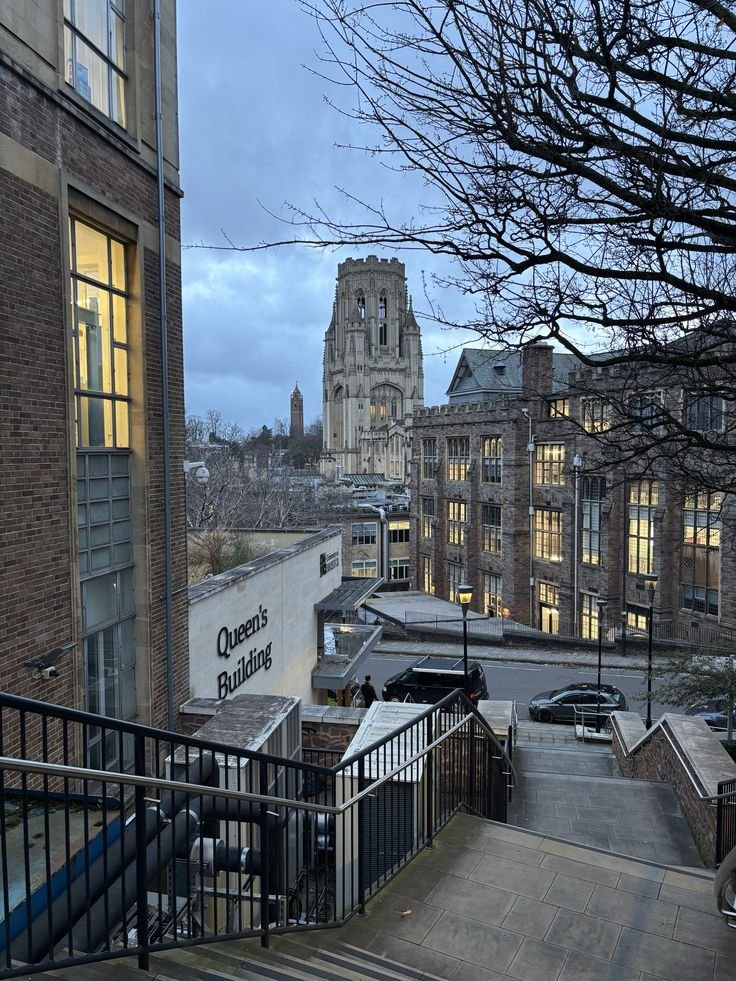
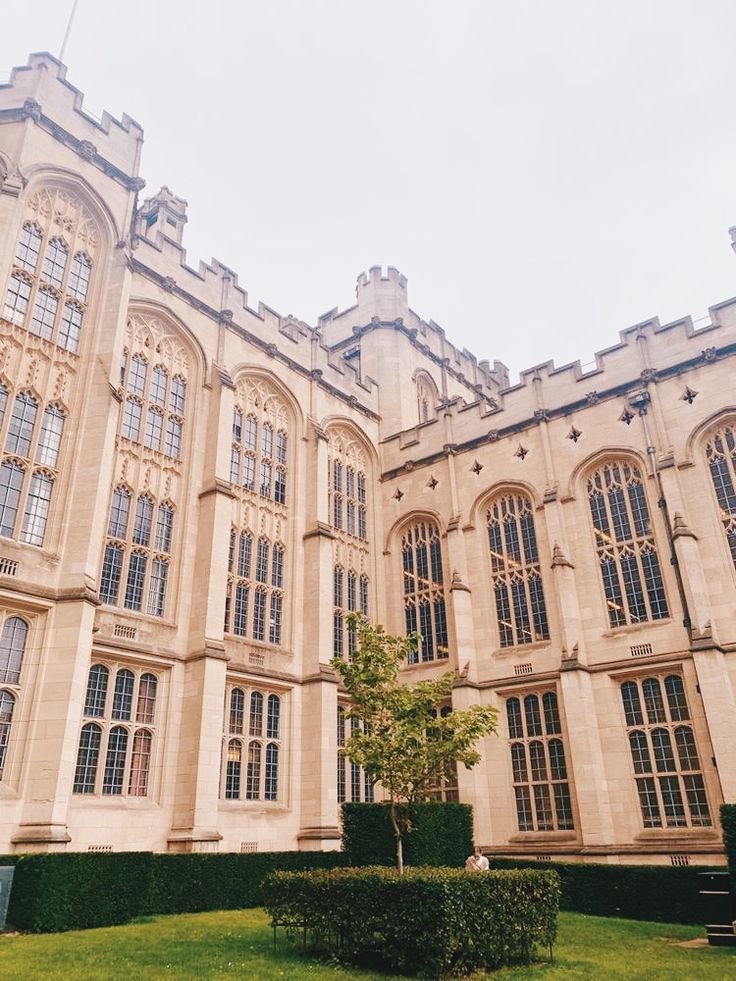
The University of Bristol's alumni and faculty include 13 Nobel laureates. Bristol is a member of the Russell Group of research-intensive British universities, the European-wide Coimbra Group and the Worldwide Universities Network. The university's main Clifton campus — spread across Bristol's beautiful hillside suburb overlooking the Avon Gorge and Brunel's iconic Suspension Bridge — is one of the most picturesque and compact university settings in England, with Victorian Gothic buildings seamlessly integrated into a vibrant, culturally diverse city.
In 2026, the university opened its brand new Temple Quarter Enterprise Campus — an interdisciplinary learning environment in the heart of Bristol's city centre, providing teaching, research, and innovative spaces for students, researchers, and faculty alike, with its own on-site student accommodation. The university has committed around £700 million to transformational campus projects to improve buildings and facilities across the entire university estate.
In government and politics, notable alumni include Albert II, Prince of Monaco; Prime Minister Hun Manet of Cambodia; Sir Jonathan Evans, former head of MI5; Nkosazana Dlamini-Zuma, Chairperson of the African Union Commission; and Paul Boateng, the UK's first Black Cabinet Minister. Other distinguished alumni include actress Carey Mulligan (studied at Bristol), Oscar-nominated director Peter Webber, former UN Secretary General's Advisor Baroness Amos, and numerous leaders across finance, media, law, and the sciences.
Bristol graduates will join an inspirational alumni community of more than 210,000 graduates from over 190 countries. Current academics include 23 fellows of the Academy of Medical Sciences, 13 fellows of the British Academy, 43 fellows of the Academy of Social Sciences, 13 fellows of the Royal Academy of Engineering and 48 fellows of the Royal Society.
Bristol has a uniquely progressive identity — it was the first UK university to declare a climate emergency, reflecting a deep institutional commitment to sustainability and social responsibility that resonates strongly with international students seeking purpose-driven education.
| ~63% Acceptance Rate (Overall) / ~12% Effective | 30,000+ Students | 150+ Countries Represented | 13 Nobel Laureates / First UK University to Declare Climate Emergency |
|---|
Ranking
The University of Bristol is ranked as the 8th best university in the UK according to the QS World University Rankings 2026, placed 51st globally — a rise of one place from the previous year. Bristol is ranked 78th globally and 9th in the UK in the Times Higher Education World University Rankings 2025.
According to the Complete University Guide 2026, Bristol is ranked 15th nationally, up one place from the previous year. Nearly 30 subjects at Bristol are considered top 10 in their field in the UK according to recent Complete University Guide data. In 2026, Bristol was ranked 6th in the UK and 35th in the world by Time magazine and Statista.
| Ranking Body | Rank |
|---|---|
| QS World University Rankings 2026 | #51 Globally / #8 in UK |
| Times Higher Education 2025 | #78 Globally / #9 in UK |
| ARWU (Shanghai) 2023 | #88 Globally / #8 in UK |
| US News Best Global Universities 2024 | #10 in UK |
| Complete University Guide 2026 | #15 in UK |
| Time / Statista World University Rankings 2026 | #35 Globally / #6 in UK |
| QS — Veterinary Science (Subject) | Top 50 Globally |
| QS — Aerospace Engineering | Top 50 Globally |
| QS — Civil and Structural Engineering | Top 100 Globally |
Intakes
Bristol operates on a UK academic calendar with a primary September intake and limited January options.
Primary Intake — September — Main intake for all undergraduate and most postgraduate programs.
- UG UCAS application deadline: 15 January 2026 for September 2026 UG entry
- PG applications: rolling admissions; international students advised to apply by March–April for September entry; early application strongly recommended for Think Big Scholarship consideration
January Intake — Available for select postgraduate programs; verify at bristol.ac.uk.
Important for Indian Students:
- Application fee: £60 (approximately ₹6,300) for PG programs; UG via UCAS standard fee (£22.50/£27)
- Indian students must have 70–80% or more from CBSE or CISCE for UG; 85–95% in relevant subjects for competitive programs like Engineering and Medicine
- English Proficiency: IELTS 6.5–7.0 overall depending on program; TOEFL iBT 90–100+; PTE 62–68
- Firm Bristol as your first choice and apply for accommodation by 31 May 2026 to guarantee university halls
- UK Student Visa required; university issues CAS after admission offer
- International students can work up to 20 hours per week during term and full-time during holidays
- Graduate Route (Post-Study Work Visa): 2 years post-study open work rights in the UK
- Bristol is the UK's third most expensive city — plan budgets accordingly; Temple Quarter campus opening in 2026 will add more student accommodation
Note: Polygon Campus primarily assists with graduate-level admissions. Confirm specific intake dates at bristol.ac.uk.
Top Courses
The University of Bristol offers over 600 degree programs across undergraduate and postgraduate levels. There are over 281 undergraduate and 230 postgraduate programs across arts and humanities, business and social sciences, engineering, medicine and health, science and technology, and language and cultural studies. Programs are organised across three faculties:
Faculty of Engineering
Department of Computer Science
- BSc / MEng in Computer Science
- MSc in Computer Science — English-taught; very popular with Indian students
- MSc in Machine Learning — English-taught; growing rapidly
- MSc in Data Science — English-taught
Department of Aerospace Engineering
- MEng in Aerospace Engineering — Top 50 globally (QS); Airbus and Rolls-Royce links
- MSc in Aerospace Engineering
- MSc in Composites — unique program in the UK; direct Airbus partnership
Department of Civil Engineering
- MEng / MSc in Civil Engineering — Top 100 globally (QS)
- MSc in Sustainable Energy Systems
Department of Electrical and Electronic Engineering
- MEng / MSc in Electrical and Electronic Engineering
Department of Mechanical Engineering
- MEng / MSc in Mechanical Engineering
Faculty of Engineering — Management (Bristol Business School)
- MSc in Engineering Business Management — popular for Indian students
Faculty of Health Sciences
Bristol Medical School
- MBChB (5-year Medicine — competitive; UCAT required)
- BSc / MSc in Public Health — English-taught
- MSc in Global Health — English-taught; strong international focus
- PhD in Medical Sciences
Bristol Dental School
- BDS (5-year Dentistry)
Bristol Veterinary School (Langford Campus — 105-hectare estate)
- BVMS (Veterinary Medicine — 5-year) — Top 50 globally
School of Psychological Science
- BSc in Psychology — top 10 in UK
- MSc in Psychological Research — English-taught
Faculty of Arts
School of Management (AACSB Accredited)
- BSc in Management / Accounting and Finance / Economics and Management
- MSc in Management — English-taught; very popular for Indian students
- MSc in Finance and Investment — English-taught
- MSc in Business Analytics — English-taught
- MSc in International Management — English-taught
- MBA (1-year full-time) — AACSB accredited
School of Law
- LLB (Bachelor of Laws — 3-year)
- LLM (Master of Laws) — various specialisations
School of Chemistry, Physics, Maths
- BSc / MSci in Chemistry / Physics / Mathematics / Statistics
- MSc in Chemistry / Scientific Computing
School of Arts, Humanities and Social Sciences
- BA in Philosophy / History / English / Geography / Sociology / Film
- MA in various humanities disciplines
Cost of Studying at University of Bristol
First-year tuition for postgraduate taught courses generally ranges from £16,880 to £46,500, depending on the programme. Most MSc courses cost approximately £20,000–£45,000; MBA/PGDM approximately £24,000–£38,000. Bristol is the 3rd most expensive city in the UK. At the University of Bristol, students are expected to spend between £9,000 and £15,000 per year including accommodation and other personal expenses other than tuition fees.
University of Bristol requires a £3,000–£5,000 tuition deposit to lock in the place; early application is strongly recommended to also lock in the best exchange rate. Note: 1 GBP = ₹105.
| Type of Expense | Annual Cost (GBP) | Annual Cost (INR Approx.) |
|---|---|---|
| UG Tuition — Arts / Social Sciences / Law / Management | £22,000 – £27,000/year | ₹23.1L – ₹28.35L/year |
| UG Tuition — Engineering / Computer Science / Science | £27,000 – £32,000/year | ₹28.35L – ₹33.6L/year |
| UG Tuition — Medicine / Dentistry / Veterinary | £32,000 – £40,000/year | ₹33.6L – ₹42.0L/year |
| PG Tuition — MSc Management / Business Analytics / Finance | £22,000 – £33,000/year | ₹23.1L – ₹34.65L/year |
| PG Tuition — MSc Computer Science / Aerospace / Engineering | £24,000 – £35,000/year | ₹25.2L – ₹36.75L/year |
| PG Tuition — MSc Global Health / Psychology / Science | £20,000 – £30,000/year | ₹21.0L – ₹31.5L/year |
| MBA (full-time, 1-year) | £28,000 – £35,000 total | ₹29.4L – ₹36.75L (total) |
| PhD Tuition (overseas rate) | £18,000 – £26,000/year | ₹18.9L – ₹27.3L/year |
| Application Fee (PG) | £60 | ₹6,300 |
| Application Fee (UG — UCAS) | £22.50 – £27 | ₹2,363 – ₹2,835 |
| Tuition Deposit (acceptance — credited to fees) | £3,000 – £5,000 | ₹3.15L – ₹5.25L |
| UK Student Visa + Immigration Health Surcharge | £490 + £1,035/year | ₹51,450 + ₹1,08,675/year |
| On-Campus Accommodation (University halls — Clifton) | £700 – £1,300/month → £8,400 – £15,600/year | ₹73,500 – ₹1,36,500/month → ₹8.82L – ₹16.38L/year |
| Off-Campus Accommodation (shared flat, Bristol) | £600 – £1,100/month → £7,200 – £13,200/year | ₹63,000 – ₹1,15,500/month → ₹7.56L – ₹13.86L/year |
| Food & Personal Expenses | £400 – £700/month → £4,800 – £8,400/year | ₹42,000 – ₹73,500/month → ₹5.04L – ₹8.82L/year |
| Transport (First Bus / Metrobus — student pass) | £60 – £120/month → £720 – £1,440/year | ₹6,300 – ₹12,600/month → ₹75,600 – ₹1,51,200/year |
| Books & Study Materials | £100 – £250/month → £1,200 – £3,000/year | ₹10,500 – ₹26,250/month → ₹1.26L – ₹3.15L/year |
| Total Estimated Annual COA (UG International) | £36,000 – £58,000/year | ₹37.8L – ₹60.9L/year |
| Total Estimated Annual COA (PG International) | £33,000 – £52,000/year | ₹34.65L – ₹54.6L/year |
Note: All INR conversions calculated at 1 GBP = ₹105. Bristol is the UK's third most expensive city — more expensive than Manchester or Glasgow but cheaper than London. The new Temple Quarter Enterprise Campus (opening 2026) will add teaching and accommodation capacity. The UK Student Visa requires proof of approximately £1,334/month in living funds. Please refer to Bristol's official fees page (bristol.ac.uk/fees-funding) for the most current 2026–27 fee schedule.
Scholarships
First-year tuition for postgraduate taught courses generally ranges from £16,880 to £46,500, depending on the programme. Most MSc courses cost approximately £20,000–£45,000; MBA/PGDM approximately £24,000–£38,000. Bristol is the 3rd most expensive city in the UK. At the University of Bristol, students are expected to spend between £9,000 and £15,000 per year including accommodation and other personal expenses other than tuition fees.
University of Bristol requires a £3,000–£5,000 tuition deposit to lock in the place; early application is strongly recommended to also lock in the best exchange rate. Note: 1 GBP = ₹105.
| Type of Expense | Annual Cost (GBP) | Annual Cost (INR Approx.) |
|---|---|---|
| UG Tuition — Arts / Social Sciences / Law / Management | £22,000 – £27,000/year | ₹23.1L – ₹28.35L/year |
| UG Tuition — Engineering / Computer Science / Science | £27,000 – £32,000/year | ₹28.35L – ₹33.6L/year |
| UG Tuition — Medicine / Dentistry / Veterinary | £32,000 – £40,000/year | ₹33.6L – ₹42.0L/year |
| PG Tuition — MSc Management / Business Analytics / Finance | £22,000 – £33,000/year | ₹23.1L – ₹34.65L/year |
| PG Tuition — MSc Computer Science / Aerospace / Engineering | £24,000 – £35,000/year | ₹25.2L – ₹36.75L/year |
| PG Tuition — MSc Global Health / Psychology / Science | £20,000 – £30,000/year | ₹21.0L – ₹31.5L/year |
| MBA (full-time, 1-year) | £28,000 – £35,000 total | ₹29.4L – ₹36.75L (total) |
| PhD Tuition (overseas rate) | £18,000 – £26,000/year | ₹18.9L – ₹27.3L/year |
| Application Fee (PG) | £60 | ₹6,300 |
| Application Fee (UG — UCAS) | £22.50 – £27 | ₹2,363 – ₹2,835 |
| Tuition Deposit (acceptance — credited to fees) | £3,000 – £5,000 | ₹3.15L – ₹5.25L |
| UK Student Visa + Immigration Health Surcharge | £490 + £1,035/year | ₹51,450 + ₹1,08,675/year |
| On-Campus Accommodation (University halls — Clifton) | £700 – £1,300/month → £8,400 – £15,600/year | ₹73,500 – ₹1,36,500/month → ₹8.82L – ₹16.38L/year |
| Off-Campus Accommodation (shared flat, Bristol) | £600 – £1,100/month → £7,200 – £13,200/year | ₹63,000 – ₹1,15,500/month → ₹7.56L – ₹13.86L/year |
| Food & Personal Expenses | £400 – £700/month → £4,800 – £8,400/year | ₹42,000 – ₹73,500/month → ₹5.04L – ₹8.82L/year |
| Transport (First Bus / Metrobus — student pass) | £60 – £120/month → £720 – £1,440/year | ₹6,300 – ₹12,600/month → ₹75,600 – ₹1,51,200/year |
| Books & Study Materials | £100 – £250/month → £1,200 – £3,000/year | ₹10,500 – ₹26,250/month → ₹1.26L – ₹3.15L/year |
| Total Estimated Annual COA (UG International) | £36,000 – £58,000/year | ₹37.8L – ₹60.9L/year |
| Total Estimated Annual COA (PG International) | £33,000 – £52,000/year | ₹34.65L – ₹54.6L/year |
Note: All INR conversions calculated at 1 GBP = ₹105. Bristol is the UK's third most expensive city — more expensive than Manchester or Glasgow but cheaper than London. The new Temple Quarter Enterprise Campus (opening 2026) will add teaching and accommodation capacity. The UK Student Visa requires proof of approximately £1,334/month in living funds. Please refer to Bristol's official fees page (bristol.ac.uk/fees-funding) for the most current 2026–27 fee schedule.
Admissions
The University of Bristol's acceptance rate is approximately 63% overall for all applicants, though the final acceptance rate is much lower at 10–12.5% due to high competition and offer holders choosing other universities, making Bristol effectively one of the UK's most competitive universities.
For Graduate (Master's / Doctoral) Programs:
- Bachelor's degree equivalent to a UK 2:1 Honours; competitive programs (Aerospace, Computer Science) require First Class equivalent (70%+)
- Indian students must hold a bachelor's degree with a minimum GPA of 6/10 or 60% for admission to a Master's degree; Medicine, Engineering, and Science typically require higher
- IELTS 6.5–7.0 overall depending on program (Medicine: IELTS 7.5, no band below 7.0); TOEFL iBT 90–100+; PTE 62–68
- Statement of Purpose; CV / Résumé (MBA requires professional experience); 2 Letters of Recommendation
- Application fee: £60; Tuition deposit £3,000–£5,000 upon offer acceptance
For Undergraduate Programs:
- A minimum aggregate of 80–90% in Senior Secondary School (Class 12) from CBSE or CISCE for UG admissions; 85–95% in relevant subjects for competitive programs (Engineering: 90%+ in Maths; Medicine: 90%+ in Chemistry and Biology)
- IELTS 6.5 overall (no band below 5.5); Medicine requires IELTS 7.5 with no band below 7.0; TOEFL iBT 90+
- UCAS application (deadline 15 January); personal statement
- UCAT required for Medicine and Dentistry; additional tests for some programs
- Application fee: UCAS standard (£22.50/£27)
Indian students can check Bristol's specific admission requirements for their chosen program directly through Polygon Campus.
Placements
Bristol's location in England's most progressive and culturally vibrant city outside London — home to Airbus UK, Rolls-Royce, Hargreaves Lansdown, Lloyd's Bank, GCHQ's western headquarters, and a booming aerospace, defence, and digital industries cluster — gives graduates outstanding career pathways across the UK's most innovative and dynamic sectors.
The University of Bristol placement rate stands at 97%, and graduates are employed within 6 months of graduation. The average graduate salary of University of Bristol graduates is £35,000 (approximately ₹36.75L) annually. Nearly 93% of students get employment within 3 months of graduation. The top industries employing Bristol graduates include Finance, Technology, Engineering, Healthcare, and Creative Industries.
Jobs After Graduating from the University of Bristol
| Job Profile | Average Annual Salary (GBP) | Annual Salary (INR Approx.) |
|---|---|---|
| Aerospace / Mechanical Engineer (Airbus / Rolls-Royce) | £40,000 – £80,000 | ₹42.0L – ₹84.0L |
| Software / Data Engineer | £45,000 – £90,000 | ₹47.25L – ₹94.5L |
| Finance / Investment Analyst | £45,000 – £90,000 | ₹47.25L – ₹94.5L |
| Management Consultant / Business Analyst | £45,000 – £85,000 | ₹47.25L – ₹89.25L |
| Medical Doctor / Clinical Researcher | £55,000 – £1,10,000+ | ₹57.75L – ₹1,15.5L+ |
| Research Scientist / Academic | £38,000 – £70,000 | ₹39.9L – ₹73.5L |
| Lawyer / Legal Professional | £40,000 – £80,000 | ₹42.0L – ₹84.0L |
| Environmental / Sustainability Engineer | £35,000 – £65,000 | ₹36.75L – ₹68.25L |
Note: All INR conversions calculated at 1 GBP = ₹105. Bristol Aerospace Engineering graduates enjoy some of the strongest sectoral salary growth in the UK, driven by the concentration of Airbus, Rolls-Royce, Leonardo, and defence sector employers in the Bristol region. The new Temple Quarter Enterprise Campus (2026) will deepen Bristol's connections with the city's growing tech and entrepreneurship ecosystem. Actual salaries vary by role, employer, location, and experience.
Bristol's career support ecosystem includes:
- Bristol Careers Service — Comprehensive career support including personalised career coaching, employer presentations, sector career fairs, on-campus recruitment, CV and cover letter workshops, mock interviews, internship matching, and the MyCareer online portal for all enrolled students and recent graduates
- 97% Graduate Placement Rate — One of the highest of any Russell Group university; 93% employed within 3 months of graduation; driven by Bristol's practice-based curriculum and exceptionally strong industry links
- Airbus and Rolls-Royce Partnership — Bristol is the UK's aerospace capital; the university's Aerospace Engineering department has direct recruitment relationships with Airbus UK (Filton, 20 minutes from campus), Rolls-Royce, Leonardo, MBDA, and the UK Ministry of Defence; graduates enter this sector with extraordinary industry recognition
- Temple Quarter Enterprise Campus (Opening 2026) — A brand-new interdisciplinary learning environment in the heart of Bristol's city centre, providing teaching, research, and innovative spaces for students, researchers, and faculty; directly embedded in Bristol's fastest-growing tech and startup district
- £700 Million Campus Investment — The university has committed around £700 million to transformational campus projects; world-class facilities create direct industry partnership pathways across engineering, health sciences, and digital industries
- First UK University to Declare Climate Emergency — Bristol's sustainability leadership creates direct pathways into the UK's growing green economy — renewable energy, sustainable engineering, environmental consulting, and ESG-focused financial services
- 210,000+ Alumni Network in 190+ Countries — An inspirational alumni community of more than 210,000 graduates from over 190 countries; active mentorship programs and employer referral networks spanning finance, engineering, medicine, law, and the creative industries
- Graduate Route Post-Study Work Visa (2 Years) — All Bristol international graduates qualify for 2 years of open UK work rights; with Bristol's exceptional employer relationships — particularly in aerospace, engineering, and finance — most graduates secure premium positions during this period
For personalised guidance on the University of Bristol admissions, connect with the experts at Polygon Campus today.